Even before guests arrive, a good fire feature sets a mood. It tells people how a night will unfold, where conversations will collect, and how long they will linger. In Southern California, evenings cool just enough to make a flame feel luxurious almost year round. That is why a thoughtfully designed fire pit can be the centerpiece of a Los Angeles Landscape construction Pasadena backyard, whether the space is a compact courtyard near Silver Lake or a sprawling hillside in Calabasas.
The right design has as much to do with climate, local codes, and maintenance as it does with style. Over the last fifteen years building outdoor living spaces around Los Angeles, I have learned that a successful fire pit brings three things into balance: comfort, compliance, and character. Comfort means the heat output matches the size of the gathering. Compliance means it meets safety clearances, respects no-burn restrictions, and connects properly to gas or power. Character is everything guests see and touch, from the texture of the stone to the way the flames move.
Below, I walk through the 12 fire pit designs my clients request most, along with the real considerations that make each work in Southern California.
Start with the ground rules the city will care about
Every fun backyard project has at least one unglamorous step. For fire pits, that is confirming setbacks, fuel, and how the unit gets anchored. Most Los Angeles jurisdictions want a minimum 10 foot clearance from structures and property lines for open flames, sometimes more for wood burning. If you live in a Very High Fire Hazard Severity Zone, you will likely face extra restrictions, and on no-burn days wood smoke is off the table throughout much of SoCal. Many homeowners opt for natural gas or propane because of that consistency. Whatever you choose, trenching gas lines needs a permit and inspections, and the run should be sized for the BTUs of your appliance and any future outdoor kitchen you might add.
A quick pre-build checklist helps you move faster once you start:
- Verify local fire code clearances and HOA rules. Call 811 to mark utilities before any trenching. Decide fuel type and size the gas line to the total BTU load. Confirm wind patterns and plan for screens or glass guards. Choose noncombustible seating and surfacing within 4 to 6 feet.
Get those items sorted and the rest of the design work becomes fun.
Fuel choices that fit the way Angelenos entertain
You can build a great fire pit around any heat source, but in Los Angeles practicality often wins. Wood is romantic, yet smoke can be a problem with neighbors and the South Coast AQMD. Natural gas feels effortless once installed. Propane offers flexibility when you cannot run a gas line. Ethanol can solve tricky locations but the flame is more decorative than warming.
A quick guide to decide:
- Natural gas: Cleanest burn with steady heat, lowest ongoing cost after installation. Best when trenching is feasible. Propane: Portable tank or hard-plumbed from a larger storage tank. Good for rooftops and decks where gas lines are impractical. Wood: Highest ambiance with crackle and scent, but restricted on no-burn days and not ideal in dense neighborhoods. Ethanol: Ventless and simple, lower BTU output, works where other fuels are restricted.
Now, the designs.
1. Circular stone gathering pit that anchors family nights
There is a reason the classic circle never goes out of style. People naturally face one another, and the flow around the edge keeps conversations easy. I like using tumbled limestone or a split-face Santa Barbara sandstone veneer so the stone looks as if it belongs under a coastal sky. Inside the ring, I spec a 32 to 48 inch burner for most families, set to produce 60,000 to 100,000 BTUs, which is enough to keep eight people comfortable on a cool evening.
Two practical tips: seat height matters, and so does the cap. I aim for a finished height of 16 to 18 inches for feet-up lounging. A 2 to 3 inch overhanging capstone gives people somewhere to rest a glass without feeling the heat. On windy nights when Santa Anas pick up, a 6 to 8 inch glass wind guard helps keep the flame calm without killing the look.
Cost range in LA: $6,000 to $14,000 depending on stone, site access, and gas line length.
2. Modern linear burner for long patios and poolside edges
On contemporary homes, a low, linear fire fits both the architecture and the way people tend to use a long patio. You get more even heat across a sofa or daybed arrangement, and it doubles as a subtle divider between dining and lounging areas. I often build these at 6 to 10 feet in length with a 10 or 12 inch wide trough, clad in smooth stucco or large-format porcelain panels. Fire glass or black lava rock keeps the line crisp.
Linear units need careful placement. If you set them too close to the main walkway, heat becomes uncomfortable as people pass. Pull it back 3 to 4 feet from traffic zones and 5 to 6 feet from upholstered seating. Tie the stucco color to the home’s trim or fascia for a clean connection.
Cost range: $8,000 to $18,000 including gas and electrical for ignition.
3. Sunken conversation pit for a showpiece moment
Every so often a yard calls for drama. A sunken conversation pit with integrated steps, backrest walls, and low-voltage lighting becomes the place everyone remembers. This design works best where grades allow you to drop 18 to 30 inches without running into drainage or utility issues. We engineer proper footings and French drains along the perimeter to prevent rainwater from pooling. In a recent Pacific Palisades project, we tied the pit’s retaining walls into the broader hillside plan, echoing the lessons from the Complete Guide to Hillside Landscaping in Los Angeles. It looked like a resort and functioned like a safe, anchored structure.

Because this is a contained space, the fuel choice should be gas and the burner sized a bit lower per foot to keep the seating comfortable. Build-in niches for blankets and removable cushions for winter storage.
Cost range: $18,000 to $45,000 depending on excavation, walls, and finishes.
4. Portable concrete fire bowl for flexible layouts
Not every yard needs a built-in. A cast concrete fire bowl on a paver patio solves a lot of problems for renters, rooftop terraces, or anyone who wants to reconfigure furniture seasonally. Most bowls weigh 80 to 200 pounds, safe for windy nights, and they hide a small propane tank or connect to a quick-disconnect gas stub. When I lay out a patio from the 15 Stunning Paver Patio Ideas for Los Angeles Homes playbook, I run a discrete gas stub under the pavers, capped and ready, so a future owner can switch from propane to natural gas in minutes.
Look for bowls with CSA certification and a flame control knob you can operate without reaching over the flame. If you have coastal fog, a smooth GFRC finish handles moisture better than raw concrete.
Cost range: $1,200 to $4,000.
5. Fire table that doubles as the party’s coffee table
Entertaining often revolves around where people put plate and glass. A fire table that offers 8 to 12 inches of table space around the flame is a crowd-pleaser. Think of it as a low dining table with a heart of fire. For families with kids, I specify models with a glass surround and a lower output setting so elbows and marshmallows can safely hover.
Pair the table with deep seating and outdoor rugs so the zone feels like a living room. When designing a complete setup, I like to align the table width with the sofa’s inner arm distance so the proportions feel thought through. If you ever plan to add an outdoor kitchen, route gas lines together to streamline permitting and cost. That decision pairs nicely with the question many homeowners ask me: How Much Does a Custom Outdoor Kitchen Cost in Los Angeles? Bundling utilities almost always saves a few thousand dollars.
Cost range: $2,000 to $8,000.
6. Mexican-inspired chiminea for compact courtyards
Chimineas are charming, they throw focused heat forward, and they fit tight patio corners in Spanish, Mission, or eclectic bungalows found throughout older LA neighborhoods. While traditional clay chimineas are wood burning, many manufacturers now offer small gas log sets sized for the interior. That shift keeps smoke down and compliance easier. Position a chiminea against a stucco or tile-clad backdrop, then ground it with saltillo pavers or a porcelain tile that mimics it but needs less water for cleaning.
Because these are vertical features, mind the overhead clearances, eaves, and nearby vines. If you insist on an occasional wood fire, add a spark screen and choose a model with a flue cap to reduce ember travel. Remember the no-burn day rules apply.
Cost range: $800 to $3,500.
7. Fire ribbon tucked into a low seat wall
Seat walls solve a lot of Los Angeles backyard puzzles. They create built-in seating where space is tight, help manage grade transitions, and keep the furniture clutter to a minimum. Tuck a narrow fire ribbon into the top of that wall and it becomes a strong architectural line. Guests can sit on the opposite side at a comfortable heat distance, while the wall back provides support.
I like porcelain caps on these for durability and easy cleaning during drought dust and Santa Ana season. Tie wall lighting into the landscape plan so steps and edges glow without glare. If you are also adding path lights, this is where the 10 Benefits of Installing Landscape Lighting Around Your Home really show up, because safety and ambiance multiply when lighting is coordinated.
Cost range: $10,000 to $22,000 depending on wall length, footings, and finishes.
8. Fire pit with built-in grilling grate for casual cooks
Not everyone wants a full outdoor kitchen. A round or square fire pit with a removable swing-away grate or a custom stainless insert gives you the thrill of cooking over flame without committing to appliances. I build the ledge slightly wider, 12 to 14 inches, for prep plates and a safe buffer. Choose lava rock or fire bricks beneath the grate, which handle drips and heat better than fire glass.
If you use gas, keep the burner protected from grease. A perforated steel tray above the burner bed catches fat before it reaches the jets. For wood-fired models, use hardwood chunks and manage ash diligently. A stainless cover keeps ash contained when the breeze kicks up. Anyone who entertains this way should also know where the nearest hose bib or fire extinguisher sits. It is not alarmist, it is just good hosting.
Cost range: $3,000 to $9,000.
9. Raised corten steel bowl for sculpture and warmth
Corten steel weathers to a warm, protective rust that looks at home with drought-tolerant landscaping and modern architecture. A raised corten bowl or rectangular basin creates a striking focal point against gravel mulch and agaves. I often pull this look straight from the Best Plants for Low-Water Landscapes in Los Angeles palette, pairing the bowl with blue chalk sticks, desert spoon, and a couple of strategically placed boulders.
Because steel radiates heat, seat it on a noncombustible pedestal or thick paver pad. Keep irrigation emitters well away to avoid staining and unnecessary water use. This is a good spot to mention maintenance reality: a corten bowl will patina and occasionally shed. Plan a small gravel apron to catch that and keep patios clean.
Cost range: $1,500 to $6,000.
10. Coastal-inspired fire feature with glass guard and crushed fire glass
If your home is within a few miles of the beach, salt air and wind shape your choices. I like a rectangular or oval fire feature with a 6 to 8 inch tempered glass wind guard and a bed of crushed fire glass that reflects coastal light. Choose marine-grade stainless components and keep ignition systems simple. Electronic ignition is fine, but I insist on serviceable parts and easy access panels. Nothing ruins a summer party like a stubborn igniter five minutes before guests arrive.
Surface materials should suit the marine climate. Porcelain pavers are my go-to around coastal fire pits because they resist salt staining and clean with minimal water, a nod to The Complete Guide to Drought-Tolerant Landscaping in Los Angeles. If you already have a porcelain pool deck, match the color and finish for continuity.
Cost range: $7,000 to $16,000.
11. Built-in corner fire for small backyards that still entertain
In neighborhoods like Mar Vista or Highland Park, yard footprints can be modest. A corner fire pit, triangular or quarter-round, makes room where a centered design would crowd everything else. The flame becomes a diagonal draw that stretches the perceived size of the patio. I tilt seating 10 to 15 degrees toward the corner so sightlines gather around the fire without rearranging every chair.
With compact yards, brighter hardscape colors and a couple of mirrored materials help expand the feel. This echoes the advice from 10 Ways to Make a Small Backyard Feel Larger. A cream or light gray paver with tight joint lines reflects more of the flame and moonlight. Add slim uplights on two nearby plants so the corner feels layered, not like a dead end.
Cost range: $4,000 to $10,000.
12. Dual-zone fire bench near an outdoor kitchen for all-evening hosting
When clients invest in outdoor kitchens, they usually want a comfortable landing spot within a few steps of the grill. A fire bench solves that, essentially a low, elongated fire feature with a wide cap that doubles as extra seating. Guests sit, sip, and chat with the cook, then slide over to the dining table without breaking the flow. We often tie the kitchen island stone to the bench cladding and run the same low-voltage under-cap lights on both, so the whole area reads as one zone.
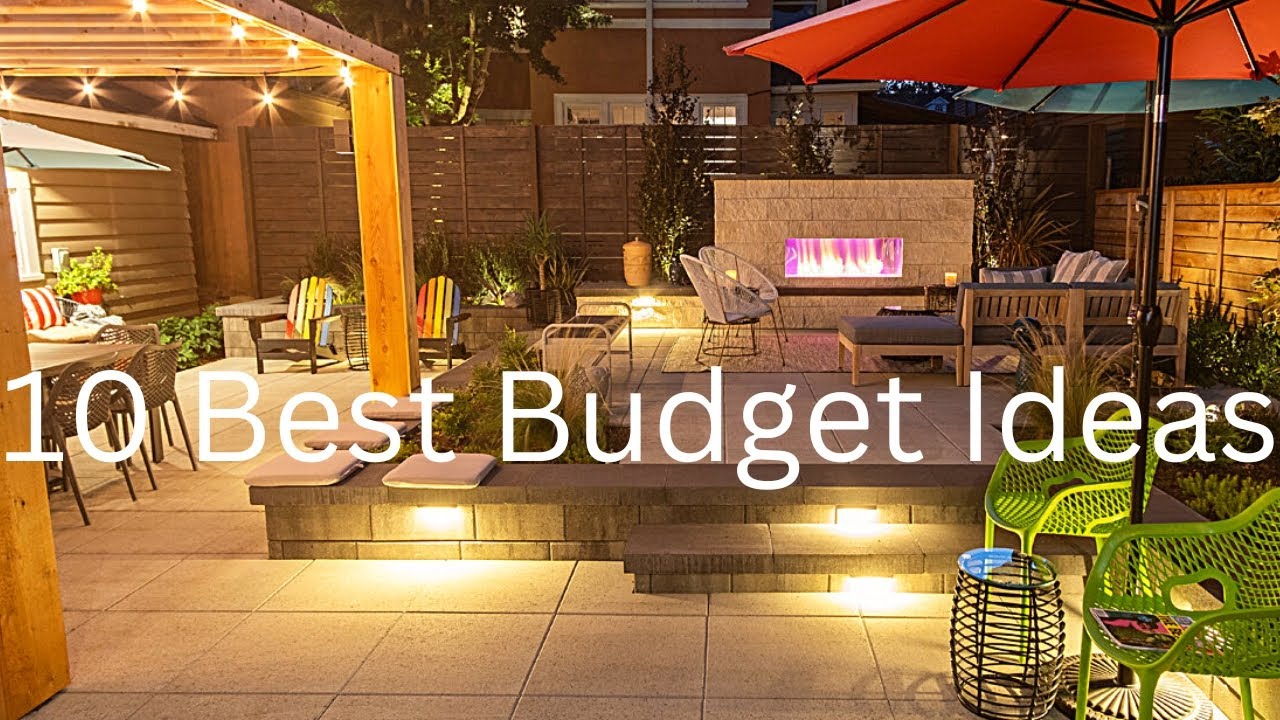
Integrating utilities is the smart move here. When planning your kitchen gas lines, add a tee and route to the bench fire. The combined trench work saves labor and minimizes how often you open the patio. If you are price-curious, How Much Does Hardscape Construction Cost in Los Angeles is a fair question. For planning, bundling work like this can shave 10 to 20 percent off compared to separate, staggered projects.
Cost range: $9,000 to $24,000 for the fire bench, plus whatever the kitchen requires.
Surfaces and seating that make or break the experience
Fire pittes live and die by what surrounds them. The radius where heat is strongest is also where spilled wine, dropped skewers, and ash will land. I recommend porcelain or concrete pavers within 4 to 6 feet of the flame because they resist staining and can be pressure washed sparingly. Decomposed granite looks charming, but it tracks dust into the house, so I use it just beyond the inner ring.
For seating, durable outdoor fabrics and quick-dry foam are worth their price. In our climate, a marine-grade cover protects cushions from sun fade and the occasional drizzle, but I also like building at least one bench or ledge in stone with removable pads. When a last-minute gathering pops up on a cool night, you do not scramble for perfect weather to host.
Make wind your design partner, not your enemy
Santa Ana winds change everything a few weeks each year. If a client’s yard faces a reliable gust pattern, I pivot designs. Taller glass guards, offset burners that push flame away from the main seating, even partial privacy screens that break wind without blocking views. In a hillside yard in Sherman Oaks, we added a low steel screen with 20 percent perforation upwind of a linear burner. The flame steadied and the screen doubled as a trellis for creeping fig, softening the metal over time.
Another trick is orientation. Aim the longest axis of a linear fire across the wind so turbulence does not roll the flame lengthwise. It sounds minor, yet you feel it immediately when you sit down.
Safety, drainage, and long-term maintenance, handled early
Good looks only last if water goes where it should and surfaces stay true. Any fire feature with a solid base needs a drain path, usually a 2 to 3 inch weep hole or a plumbed drain connected to a gravel sump away from foundations. On sunken pits or hillside benches, I frequently install a small French drain tied to the yard’s broader system, lessons pulled straight from Everything You Need to Know About French Drains and Yard Drainage. It is invisible work that keeps a beautiful patio from shifting or staining.
Ignition and service access also matter for the long haul. I prefer match-lit with a key valve for simplicity, or a robust electronic ignition with a protected enclosure and a GFCI outlet within code distance. Spare parts should be easy to source years down the road. Think of it like a car’s air filter. You may not touch it often, but when you need one, you should not be hunting forums to find it.
Finally, give yourself a maintenance rhythm. Vacuum the burner bed quarterly. Wipe down wind guards with vinegar water to avoid mineral spots, especially near the coast. Check for spider webs in orifices if a flame looks uneven. Ten minutes twice a season keeps a fire feature feeling new.
Pair the fire with the rest of the yard so the space works as a whole
Beautiful fire pits show best when the surrounding landscape supports them. In drought years, low-water plantings with rich texture do heavy lifting. Think evergreen structure from olives or manzanita, seasonal color from salvias, and sculptural succulents that look dramatic by firelight. A couple of well-placed path lights, under-cap strip lights on seat walls, and one or two soft uplights on a specimen tree transform a yard into an evening retreat without blasting your neighbors. Those basics sit at the heart of Outdoor Lighting Design Tips Every Homeowner Should Know and make an enormous difference with relatively small investment.
If you are considering other upgrades, the most popular features Los Angeles homeowners add include compact outdoor kitchens, pergolas for shade, and paver patios that hold up to year-round use. A pergola near a fire pit adds a vertical frame and tames glare from nearby windows. Louvered designs can shut during light rain and open under blue skies, a big value-add for entertaining. Keep clearances to flame and overhead structures per manufacturer specs, usually several feet of vertical buffer. If your property slopes, stepping terraces down to a fire pit can turn an awkward grade into a sequence of rooms. That is where retaining walls, chosen properly and engineered for loads, make the difference between pretty and permanent.
When budget, style, and constraints collide, choose your “one big move”
Every yard has a headline move that ties the whole story together. For some homes, it is the sunken pit that feels like a hidden lounge. For others, it is the razor-clean linear flame that echoes modern lines. If your budget is tight, do not try to do everything at once. Pick the one fire design that fits the way you host, invest in durable hardscape around it, and leave stubs and sleeves in place for the next phase. Good sequencing might look like this: first, set the patio and gas line with a portable fire bowl you love. Next year, swap the bowl for a built-in. Then add an outdoor kitchen or a pergola once you have lived in the space long enough to know the ideal layout.
Clients who have taken that phased approach rarely regret it. You entertain sooner and avoid moving a feature you rushed into. And when resale time comes, a cohesive outdoor living space ranks high on buyer wish lists. Fire features, thoughtful lighting, and easy-care plantings often land on the 10 Backyard Renovation Ideas That Deliver the Highest ROI not because they are the cheapest, but because people can picture their life unfolding there the moment they step outside.
Bringing it all together on a Los Angeles lot
Choosing among these 12 designs is not about trends for trend’s sake. It is about matching your home’s architecture, your microclimate, and how you like to host. A circular stone pit suits family-heavy hangouts. A linear burner completes a modern patio. A corten bowl nests into a water-wise garden. A fire bench stitches an outdoor kitchen into the rest of the yard. Whichever you choose, ground it on a durable surface, control the wind, and size the flame for comfort, not show.
One last anecdote: a Hancock Park client loved the idea of a dramatic sunken pit but worried about older parents navigating steps. We borrowed the essence of that design, then lifted it. Same intimate geometry, same wraparound seating, but built at grade with a low wall to lean on and a linear burner sized down for warmth without blast. They now host twice a month, winter through spring, because the space invites people to settle in. That is the test of a good fire pit in Southern California. It is not just pretty for photos. It gathers people, over and over, as the marine layer drifts in and the city lights start to spark.