Los Angeles homeowners come to artificial turf for practical reasons first, aesthetics second. Water costs climb, watering restrictions arrive every few summers, and natural lawns rarely look their best through a Santa Ana event or a week of triple digits. The surprise for many clients is how refined the craft has become. Modern turf systems are engineered to stay cooler, drain hard during an El Niño downpour, and withstand sprinting dogs that break real sod in a weekend. The difference between a lawn that fools your neighbors and a mat that puckers at the seams comes down to design, base construction, and field technique.
We install turf across the county, from compact courtyards in Santa Monica to hillside terraces in Sherman Oaks. The soils, microclimates, and sun angles vary block by block. After a few thousand yards of turf, we have a process that adapts quickly to conditions and eliminates the guesswork. Here is how we build lawns that hold up in Los Angeles, along with the planning details most homeowners never see.
What Los Angeles yards demand from a turf system
The city offers a strange mix: heat spikes, marine layer mornings, and winter cells that dump two inches of rain in a day. Lawn systems have to handle both extremes. The base needs to stay stable through saturation and drying, which means thoughtful grading and dependable subdrains where appropriate. Turf fibers need ultraviolet stability and a color blend that reads natural in strong sun, not neon. In heavy shade, a shorter pile with a lighter thatch often looks more believable.
We also plan for use patterns. A dog run near the side yard requires a different infill and antimicrobial strategy than a front lawn designed for curb appeal. Families who host often want a putting strip, cornhole lanes, or zones that transition cleanly to paver patios. Those transitions matter for safety and for cleaning. A turf edge that floats above a patio collects debris and looks unfinished.
Finally, the city’s soils vary widely. We dig into heavy clay in the Valley, silty sand near the coast, and decomposed granite pockets on the foothills. Clay swells and shrinks with moisture, so it needs extra base depth and compaction. Sandy loam drains quickly but ruts easily under traffic unless we build stiffness into the base.
A quick pre‑install check with your property in mind
- Where does stormwater go today, and what will change when the lawn no longer absorbs it? Which areas see the most traffic, pets, furniture, or sports? How hot does the surface get in summer sun, and where is afternoon shade? What edges will we meet, such as driveway paving, planters, pool coping, or fences? Are there irrigation lines, lighting conduits, or roots beneath the area that we should protect or reroute?
Those five questions shape every design decision to follow. They determine base depth, drainage strategy, fiber selection, infill type, and edging.
Selecting the right turf for Los Angeles light and heat
The biggest mistake we see is choosing turf by catalog photo. In our climate, pile height, face weight, and fiber shape decide whether the lawn stays attractive and usable. Taller blades around 1.75 to 2 inches look lush in photos, but they can flatten under dining chairs or pet traffic. We often recommend a 1.5 to 1.75 inch pile for family yards because it stands back up after grooming and plays well with infill. Face weights in the 60 to 80 ounce range strike a good balance between realism and resilience.
Fiber shape matters for feel and heat. S-shaped and W-shaped blades spring back well and disperse light more naturally. Cooler yarn technologies and lighter thatch tones can reduce surface heat by a few degrees. Do not expect miracles on a 100 degree day, but the right combination is the difference between warm and unwalkable. We bring sample boards into your light at different times of day. Noon sun in Woodland Hills has a different color cast than 4 p.m. Light in Redondo Beach. A quick test with a handheld IR thermometer tells the truth about temperature.
For pet zones, antimicrobial backing and a perforation pattern that evacuates liquids fast are worth the slight premium. We also look at odor management, which has more to do with infill and rinsing habits than turf alone.
Base and drainage: the engineering under the green
Artificial turf becomes the top layer of a small roadbed. If the foundation fails, the lawn ripples, wrinkles, or grows moss along seams. We excavate to remove existing sod, roots, and unsuitable soils. Depth varies with conditions, but we usually plan for 3 to 5 inches of base material below the finished grade. In heavy clay or high traffic areas, we expand that depth and tighten compaction.
Our standard base is class II road base capped with a thin layer of decomposed granite for final grading. Both compact well and interlock under moisture. We compact in lifts with a plate compactor, checking with a dynamic cone penetrometer or, on smaller jobs, by feel and heel test. You should hear a tight ring, not a dull thud. A finished base should shed water at 1 to 2 percent slope. On flat patios we cut subtle swales or use permeable transitions to direct flow. If the yard floods in a storm, we solve that first with grading, catch basins, or a French drain. Artificial turf will not fix a drainage problem on its own, but it can be the visible face of a system that does.
On one Brentwood hillside, a client wanted turf on two terraces above a retaining wall. The existing soil was a clay loam that moved seasonally. We installed a perforated subdrain wrapped in geotextile behind the wall and keyed the turf base into the wall footing. Every six feet we cut weep breaks to keep water pressure off the wall. During the first winter storm, the terraces drained cleanly, and the wall stayed dry.
Ridgeline’s step‑by‑step overview
- Site evaluation and design mapping Demolition, rough grading, and drainage setup Base build, compaction, and screeding Turf layout, seaming, and perimeter securing Infill, power brooming, and final grooming
Those five steps are simple to read and complex to execute well. Each has choices that affect lifespan, appearance, and safety.
Site evaluation and design mapping
Before a shovel hits the ground, we build a plan that marks every edge, finish elevation, and seam path. Good seams are invisible, and that begins with layout. We try to run seams away from the primary viewing angle. On a front yard, that usually means perpendicular to the street. Around a pool, we keep seams out of splash zones that collect calcium.
We locate utilities and cap or reroute irrigation. Often we keep a zone active for rinsing and plant beds. A low-flow line with a quick-connect is handy for cleaning, especially in pet areas. Lighting conduits and control wires should be set a few inches below the base, not floating in the gravel where they will move during compaction.
Demolition, rough grading, and drainage setup
We remove existing turf and organic soil to a depth that clears roots and old thatch. Anything soft or damp goes out. If the subgrade is clay, we scarify it and install a woven geotextile to prevent base migration into the soil during storms. A French drain belongs wherever water collects against structures or in low bowls. We run perforated pipe with the holes down, embed it in ¾ inch rock, and wrap the trench with fabric to keep fines out. The outlet appears daylighted at a slope or into a basin tied to a safe discharge point. Your new lawn should never trap water; it should express it.
Rough grading sets the stage. We shape planes that bias water away from foundations. If we transition to a paver patio, we hold landscaping guides the subgrade down the thickness of the base plus turf so finished surfaces meet cleanly.
Base build, compaction, and screeding
Base installation is the quiet craft that decides how the lawn will age. We import class II base and compact it in 2 inch lifts. Moisture content matters. Too dry and it will not lock, too wet and it pumps under the compactor. We check with a squeeze test. It should clump in your hand without releasing free water. On larger yards we run a reversible plate compactor for better energy; in tight courtyards a smaller machine is kinder to hardscape.
After compaction, we place a ½ to 1 inch layer of decomposed granite or a fine 3/8 inch minus material to achieve exact elevations. We screed with aluminum rails and check slopes with a digital level. Edges near driveways and walkways get particular attention. We want a finished height that sits flush, not proud, so wheels and shoes do not catch.
Some installers roll out a weed barrier at this stage. We use it selectively. In full sun, heat can build up between barrier and backing. If the subgrade was properly cleared and the base compacted, weeds are rare, and a post-emergent spot spray once a year is an easier solution. For coastal yards with invasive runners like kikuyu, a barrier helps, but we switch to a breathable, high quality fabric that does not trap moisture.
Turf layout, seaming, and perimeter securing
Turf looks forgiving in the roll but behaves like a textile. Every roll has a grain. We orient all pieces the same way so light reflects uniformly. We dry-fit the lawn, letting it rest to relax factory curl. Seams are cut from the back with a sharp knife, following the gauge rows. The goal is to bring the edges close without trapping fibers in the seam. We avoid factory edges for the seam line; a clean cut makes a cleaner joint.
Seaming uses either tape and adhesive or, less often in hot zones, a mechanical seam. Adhesive seams, applied to a seaming tape, are our default. We butter the tape evenly, press both sides into the bed, and weight the joint while curing. In valley heat, we choose adhesives rated for higher temperatures to avoid creep. After cure, we tug test along the full length. If a seam opens with light force, it will telegraph under foot traffic.
Perimeter security comes from a combination of nails or staples and rigid edging. Along straight hardscape, we prefer a concrete mow strip at or just below finished height. Where concrete is not desired, a composite bender board set in a compacted trench gives a defined edge. Nails, typically 5 to 6 inches long, go around the perimeter every 4 to 6 inches and in the field in a staggered grid where needed. We bury heads deep and massage fibers to hide them.
Infill, power brooming, and final grooming
Infill serves three jobs: ballast to keep the turf from moving, support to hold fibers upright, and functional benefit such as cooling or odor control. Silica sand is common and cost effective. Coated sands, such as Envirofill, include antimicrobial properties and roll smoothly during grooming. On hot exposures, cooling infills can shave off a few degrees, enough to make bare feet comfortable earlier in the evening. For pet zones, we mix in a zeolite component that absorbs ammonia, paired with a regular rinse program.
We distribute infill with drop spreaders in light passes and power broom between lifts to work the material into the thatch. Overfilling mats the lawn and adds heat. Underfilling invites wrinkles and premature wear. A typical residential install lands between 1 and 2 pounds per square foot, tuned to turf model and use. After final brooming, fibers stand like a freshly mown natural lawn.
Managing heat without compromising realism
Every summer we field the same question on the first hot weekend: how hot will it get? Any dark surface gains heat in full sun. We manage it with a few tactics that add up. Lighter thatch colors reflect more light. Cooling infill and breathable backings matter at the margins. Planting pockets with small trees or pergolas create microclimates that bring surface temperature down dramatically in late afternoon. A simple outdoor shower riser near the side yard, tied to your irrigation, can drop temperature quickly before playtime. Many clients combine turf with permeable paver patios to break up continuous green with cooler, usable hardscape. When we design whole yards, we think in terms of a 24 hour day: where you drink coffee at 8 a.m., where kids play at 3 p.m., and where you dine at 7 p.m.
Pets, rinsing, and odor control that lasts
A beautiful lawn is useless if it smells. Odor prevention starts with drainage, continues with the right infill, and ends with habits. We pitch pet areas a bit more aggressively, closer to 2 percent. We choose turf with generous perforations and pair a coated antimicrobial infill with a zeolite component. Weekly rinsing in dry weather keeps salts from building up. Enzymatic cleaners help after heavy use. Avoid bleach, which attacks backing and hardware. In Encino we built a family yard with a dedicated side run for two large dogs, tied to a hose bib and drain cleanout. The main lawn, used less by the dogs, stays pristine, and cleanup time dropped from daily to a few minutes every other day.
Edges, transitions, and the way a lawn meets hardscape
A turf field looks right when it meets neighbors properly. Against a putting green, we cut a tight seam and use lower infill to speed the surface. Against paver patios we hold the turf ⅛ inch below the paver edge to avoid catching. Around trees we leave a breathing ring and use mulch or a steel ring that accepts expansion. In front yards, we often combine turf with a ribbon driveway or a grid of pavers with turf joints. It adds interest and breaks up the plane visually. Many Los Angeles homeowners pair new lawns with upgrades like a paver patio, a fire feature, or outdoor lighting. When we handle the complete design, the lawn becomes one element in a larger idea - a place to dine, entertain, and relax. If you are considering a patio, it helps to review options such as paver patios vs stamped concrete, both common in our projects. For driveways, a permeable paver system can reduce runoff and improve curb appeal, one of the 10 hardscaping features that increase property value.
Business Name: Ridgeline Outdoor Living
Address: 845 E Walnut St, Pasadena, CA 91101, United States
Phone: (626) 469-5822
Ridgeline Outdoor Living
Ridgeline Outdoor Living is a Pasadena-based landscape design-build company serving Greater Los Angeles with custom outdoor living, hardscape, and drought-tolerant landscape solutions. The company specializes in patios, retaining walls, outdoor kitchens, drainage, hillside projects, and turnkey landscape construction, handling projects from design and permitting through final build and warranty.
845 E Walnut St, Pasadena, CA 91101, USA
Business Hours:
- Monday – Saturday: 8:00 AM – 6:00 PM
- Sunday: Closed
Follow Us:
Costs, timelines, and what drives them
Most residential turf installations in Los Angeles land between the high teens and mid thirties per square foot, all in. Smaller, complex sites can exceed that when access is tight or demolition is extensive. The numbers hinge on base depth, drainage work, turf model, and edge treatments. Pet-specific systems add a few dollars per square foot for upgraded infill and more aggressive drainage. A simple 500 square foot front yard with easy access, standard base depth, and minimal edges might finish in the 9,000 to 12,000 dollar range. Add subdrains, a mow curb, and high-spec turf, and the same area climbs to 13,000 to 18,000 dollars. We itemize proposals so you can see where each dollar goes.
Timelines move with complexity. A 600 square foot yard with straightforward demolition and base work takes two to three days with a three-person crew. A 2,000 square foot project with demolition, drainage, and hardscape transitions can run a week or more. Weather plays a role. garden landscapers Pasadena Adhesive seams prefer dry conditions and moderate temperatures. After heavy rain we wait for the subgrade to dry to avoid trapping moisture.
Artificial turf vs sod for Los Angeles homes
Clients still ask whether real grass can make sense if they irrigate smartly. Sod gives you natural cooling through transpiration and a softer fall for toddlers. If you entertain barefoot in summer evenings, real grass is pleasant underfoot. The tradeoff is water and maintenance. In neighborhoods with watering restrictions, keeping sod lush is tough. Southern exposures toast quickly without deep watering. You also commit to mowing, fertilizing, and seasonal aeration. Over five to seven years the cost lines cross. Turf asks for a larger upfront investment and low ongoing costs. Sod costs less at first, then draws steady water and service for its lifespan. We help clients decide based on lifestyle. For low traffic courtyards with some shade, sod can thrive. For dog-heavy families, shaded narrow side yards, or sunbaked slopes, turf solves headaches cleanly.
Avoiding the pitfalls we see most often
The most common failures come from good materials placed on a bad base. We have lifted turf installed two years earlier that felt like a waterbed because the base was only an inch thick and never compacted. Water sat in the base and the yard smelled. Another frequent issue is seam glare. If your eye catches a bright line at certain angles, the seam was either cut poorly or oriented into the main view. We run seams away from the viewer and cut cleanly along gauge rows. Wrinkles appear where installers skipped relief cuts around curves or underfilled the field with infill. Overuse of weed barrier can trap heat and moisture, growing algae along seams. We use it selectively. Finally, overzealous nailing along seams can pinch fibers and telegraph lines. Nails support the perimeter and field, not the seam itself, which should be bonded and float naturally.
Tying turf into a complete outdoor living plan
Most of our artificial turf projects are part of a broader update. A new lawn next to a tired patio emphasizes the age of the old surface. Consider the pieces together. We design and build hardscapes, so we can show you how a lawn meets a new paver patio, how grading moves water into a drain rather than across your dining slab, and where outdoor lighting should graze the lawn for depth without glare. Simple path lights and a few accent uplights on small trees turn a yard into an evening room. Clients often add a fire pit, a pergola, or even a compact outdoor kitchen when they realize the lawn will carry more use. For those exploring bigger changes, it helps to look at resources such as 10 outdoor living ideas transforming Los Angeles backyards or outdoor kitchen trends Los Angeles homeowners are choosing. A lawn is a backdrop. The pieces you layer on top make the yard work for you year round.
Permits, codes, and neighborhood context
Artificial turf itself rarely requires a permit in Los Angeles, but drainage changes, retaining walls, and curb cuts do. In hillside zones, any change that affects slope stability or directs water to a neighboring property receives extra scrutiny. We handle plan sets and permits when needed. Some HOAs regulate front yard materials. We navigate those rules, bringing samples to board meetings and providing install details that satisfy architectural committees. Professional presentation helps approvals move faster, especially in neighborhoods where drought-tolerant landscaping is encouraged but specific aesthetics are required.
Care, grooming, and realistic expectations
Maintenance is light but not zero. Leaves blow off easily, but regular grooming keeps fibers upright and the lawn looking fresh. We recommend a stiff push broom or a power broom every few months, more often under heavy use. Rinse pet areas weekly. Spot treat weeds that may appear along edges or in seams where windblown seeds land. Avoid open flame near the turf and be careful with reflective glass that can focus sunlight. We have replaced melted spots below top-floor windows that acted like magnifying lenses. If your home has large south or west facing panes, we check those reflections during the design stage and suggest window films or plantings to break the beam.
Case notes from recent projects
In Pasadena, a small courtyard between a kitchen and detached garage transformed after a two-day install. We removed 4 inches of compacted gravel that held puddles from an old pea gravel patio, installed a new base pitched to a slot drain, and laid a 1.5 inch pile turf that matched the classical feel of the bungalow. The client hosts often, so we aligned the seam with the kitchen door swing to keep it invisible on entry. Evening lighting now grazes the turf and picks up the texture of the brick walk.
In Studio City, a family with three kids wanted a lawn that could take soccer practice. We thickened the base to 6 inches over clay subgrade, ran a perforated drain at the low side, and selected a durable W-shaped fiber at 70 ounces. We set a concrete mow curb to protect planting beds and installed a small practice putting section at one end. Two years later, the blades still spring back after weekend games. The only complaint is that friends’ kids never want to go home.
When turf is part of water-wise design
Artificial turf is not the only answer to drought. We often pair it with planting palettes that thrive in our climate. The best drought-tolerant plants for Los Angeles yards bring movement and color that turf alone cannot, from Lomandra and Westringia to olives and desert museum palo verde. A thoughtful mix uses mulch, gravel bands, and paver paths to guide water and keep maintenance easy. Turf fills the role of a usable green room, a place for play, and a visual counterpoint to the sculptural forms of native and Mediterranean plants. In this balance, your yard looks intentional rather than synthetic.
Why professional installation pays off
A turf system is a set of details executed in the right order. When homeowners call us to fix recent installs, the issues almost always trace to shortcuts you cannot see from the curb. A seam cut ⅛ inch off, a base an inch too thin, a slope that points water at a wall, an adhesive not rated for heat. Those small misses cost more to repair than they would have to do correctly at the start. A professional team brings the tools, materials, and judgment to get the invisible parts right.
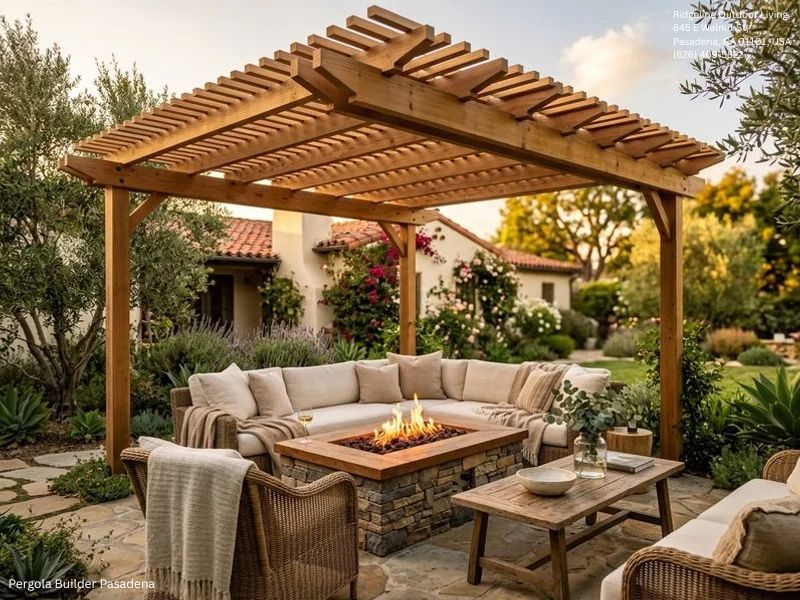
If you are weighing a backyard makeover, artificial turf can anchor a larger outdoor living space that includes patios, lighting, a fire feature, or even a compact outdoor kitchen. The practical benefit is immediate. Your water bill drops, your weekends free up, and the yard is ready whenever you are. The aesthetic benefit is the quiet one: a green field that looks good from the street at noon and even better under warm lights after dinner.