Los Angeles is a city of hills. From Sherman Oaks to Silver Lake, a sloped lot is just as common as a flat one, and often much more interesting. The challenge is turning that incline into livable, beautiful space without fighting gravity or wasting water. At Ridgeline Outdoor Living, we design for slope first, not last. That mindset changes everything, from how we handle drainage to the way we plan staging during construction. It also explains why hillside landscapes look effortless when done right and fail fast when they are not.
What follows are ten ideas we use on real projects across Southern California. The throughline is control. Control of water, soil movement, sightlines, access, and microclimate. If you manage those, the hillside works for you, not against you.
Know your slope before you touch it
A hillside is rarely uniform. One face may have clay that swells in winter, another may be decomposed granite that drains too quickly. Load paths from your home, pool, driveway, or even a neighbor’s retaining wall matter. On a Bel Air project last spring, a seemingly modest 3-foot grade change hid a perched water table that would have undermined a new patio within a year. We brought in a soils engineer, shifted the patio six feet upslope, and introduced a weep drain behind the small garden wall. Cost us one week, saved the client a five-figure repair.
In Los Angeles, hillside ordinances and permit thresholds are strict for good reasons. If your design uses retaining walls over 3 to 4 feet in exposed height, add surcharge from a car, spa, or structure, or changes drainage patterns, expect to involve an engineer and the city. That is not a problem, it is protection. A professional team will move through design, engineering, and permitting in a sequence that avoids surprises.
Idea 1: Terrace with purpose, not symmetry
The cleanest way to tame a slope is to break it into a series of level planes. Terracing is not about building as many walls as your budget allows. It is about choosing the fewest number of platforms that maximize use. On a Los Feliz property with a 16-foot total rise, we created three distinct terraces: a dining court at the lower level, a mid-slope lounge with a fire feature, and an upper planting bench that hides utilities and frames a canyon view. Three walls total, stepped back to read as part of the land, not on top of it.
Construction details matter. Sloped backfill, perforated pipe wrapped in fabric, and a free-draining base behind each wall handle hydrostatic pressure. Where space allowed, we used geogrid reinforcement so the walls could stay under 4 feet in face height and remain within a faster permit path. Clients often ask for a single tall wall to save space. The math rarely pencils, especially when you factor railings, stairs, and permits. Stacking smaller terraces reads softer, integrates planting, and typically costs less per square foot of usable surface.
Idea 2: Build stairways that invite, not punish
If stairs feel like a chore, no one will use the upper garden. Rise and run proportions on hillsides make or break daily living. We aim for 6 to 6.5 inches of rise with a 12 to 14 inch tread on primary stairs. That rhythm lets you carry a tray from the outdoor kitchen without watching your feet. Where the grade is steep, we break long flights into short runs with landings every five to seven steps. A landing is more than code, it is a moment to rest and take in the view.
Materials should match the slope conditions. Cast in place concrete with a broom finish grips under wet winter mornings. Precast treads over engineered block stringers speed up installation and allow for lighting runs under nosings. On a steep Echo Park yard, we integrated corten side stringers with ipe treads. The open-riser detail kept airflow through a damp pocket of the garden, cutting algae growth on the steps. Function first, then style.
Idea 3: Choose retaining walls that solve more than erosion
Retaining walls hold back soil, but the best ones earn their footprint by doing two or three jobs at once. A wall that retains can also serve as a seat, a planter edge, or even a wind break. On a Pacific Palisades site, a 30-inch seat wall along the mid-terrace added 20 linear feet of casual seating around a fire table. We built the wall with a hollow core for conduit and gas runs, so the face stayed clean, no exposed utilities or trip hazards.
Wall type follows site conditions. For smaller terraces, a segmented block system with geogrid is efficient and strong. For visible walls near the home, cast concrete faced with stone often wins. In narrow setbacks, a drilled soldier pile wall with shotcrete may be the only feasible solution during construction, especially when access is tight. If you are comparing options and costs in Los Angeles, know that finished price per linear foot varies widely, roughly from the low hundreds for small, unreinforced garden walls to four figures for engineered systems with drainage, footings, and finishes. Staying below thresholds that trigger guardrails and tall-wall engineering can keep a project nimble, which is one reason we often step walls and split height into two elements.
Idea 4: Manage water like it is the main client
On a slope, water seeks the path of least resistance. If your design does not give it a safe route, it will carve one for you. That is why we plan drainage before plant palettes or paving patterns. Swales, surface drains, and subsurface systems each have a role.
A French drain is a simple, effective tool when used correctly. Picture a trench lined with fabric, filled with washed gravel, and containing a perforated pipe. Its job is to intercept groundwater, not collect roof runoff. Place it upslope of a patio or behind a wall to reduce pressure. For surface water from hardscapes, use area drains connected to solid pipe at proper slope. Keep the outlet visible and protected so you can inspect it after storms.
We learned this the hard way on an early project where a homeowner had tied gutter downspouts into a French drain line behind a wall. The system moved more water than the soil could handle. After the first heavy rain, we saw efflorescence and hairline cracks on the wall face. We separated the systems, added an overflow, and installed a dry well where the native soil allowed. No more stains, no more stress.
Idea 5: Plant with the hillside, not against it
Plants stabilize slopes, cool hardscape, and knit terraces together. In Los Angeles, drought tolerance is nonnegotiable, but drought tolerant does not mean sparse. The best hillside palettes layer groundcovers, shrubs, and small trees with deep, fibrous roots. We often mix ceanothus cultivars, Salvia clevelandii, and Arctostaphylos for structure, then weave in lomandra, Muhlenbergia rigens, and trailing rosemary for quick coverage. Along steeper cuts, creeping thyme and Dymondia mark steps and soften edges.
Irrigation must match slope behavior. Traditional spray heads waste water on wind and runoff. Dripline with check valves on contour delivers slowly into the root zone. We zone upper slopes separately from terraces because water moves downslope in the soil profile. Smart controllers that track local weather and adjust runtimes are not a luxury. They protect your investment and meet local water ordinances.
Mulch is your friend, just not in the way most think. On steeper slopes, large nugget bark floats and ends up at the bottom after the first storm. We use a 3 inch layer of shredded fir or a small decorative gravel, pinned where necessary with jute netting until roots take hold. It looks tidy on day one and stays put through winter.
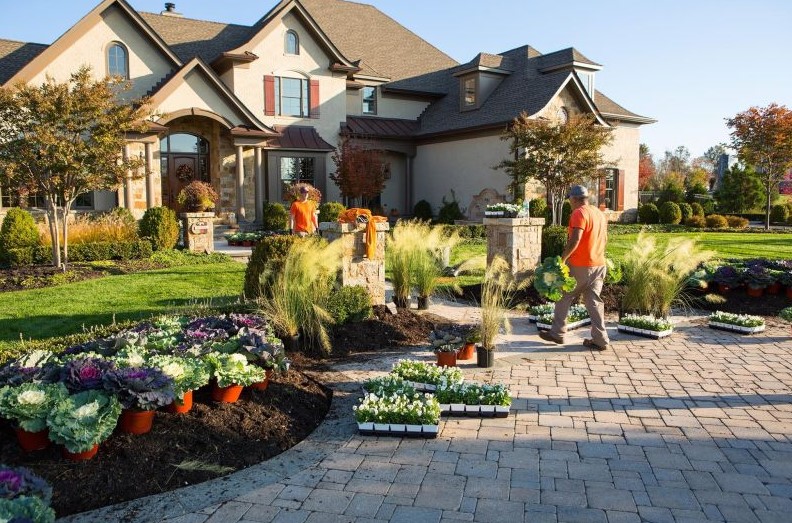
Idea 6: Design hardscapes that respect gravity
A patio on a hillside should feel like a destination, not a platform perched in space. The fastest way to get that wrong is to assume every surface must be dead level. Slight crossfall away from the house, precise transitions at thresholds, and built-in drainage details keep surfaces dry and safe.
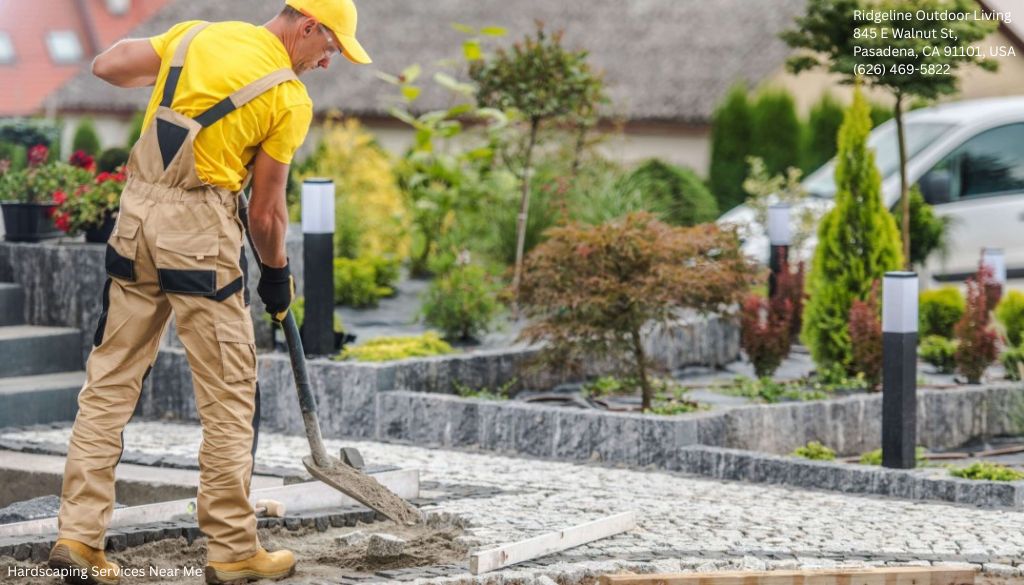
Material choice influences maintenance on slopes. Paver systems can flex with minor movement and allow for easy access to utilities. They also offer permeable options that help with stormwater rules. Stamped concrete is economical and fast, but control joints telegraph on small terraces and can break up sightlines. Natural stone looks timeless, yet weight and access drive up installation time on a hillside. We often mix, using concrete or porcelain plank steps with a paver patio, or stone veneer only where the eye lingers.
A quick comparison many clients find useful:
- Pavers: modular, repairable, good on raised decks with proper structure. Poured concrete: clean lines, cost effective, best where access for a truck is possible. Porcelain pavers: thin and durable, great for rooftop terraces and modern lines. Natural stone: highest character, heavier, best near entries or focal points.
Idea 7: Create microclimates with structures that fit the slope
Shade is life on a West-facing slope in July. On flat lots, a freestanding pergola or a covered patio reads fine. On Browse this site a hillside, the trick is to work with grade to keep volumes low and views open. We often anchor a pergola into a cut bank on the high side of a terrace so the structure nestles into the land. Steel posts, powder coated, take small footings and resist termites. If you need a solid roof, light-framed aluminum systems keep weight down and simplify engineering.
Placement matters. On a Studio City project, the main outdoor kitchen sat mid-slope. Afternoon sun baked the cook station, and a traditional flat pergola would have blocked the canyon view from the living room. We designed a louvered shade at a 5 degree pitch, mounted low to the uphill retaining wall and high on two downslope posts. From inside the home, the roof edge hid behind the slope. On the patio, the louvers controlled glare and reduced peak temps by 10 to 15 degrees. That kind of microclimate tweak turns a two-hour-a-day space into a four-season hangout.
Idea 8: Integrate fire and water for containment and calm
Hillsides love drama, but they also reward restraint. Fire features work well because they anchor an outdoor room and draw people to one spot, which is ideal when flat space is precious. Linear burners tucked into a seat wall keep circulation clear. A sunken fire pit on the upper terrace is safer in wind, provided you maintain defensible space with noncombustible hardscape and careful plant selection.
Water features soften ambient noise and cool the air. In a Laurel Canyon yard, a 14-inch sheet fall set into a stone veneered wall turned a narrow landing into a place you want to linger. We recirculated through a hidden vault under the planting bed. On slopes, always plan spill control and splash zones so water does not migrate into footings or saturate walls. Where budgets allow, pairing a small rill along a stair run with native riparian plants adds a storyline to your climb, but only when the hydraulics are dialed and maintenance is realistic.
Business Name: Ridgeline Outdoor Living
Address: 845 E Walnut St, Pasadena, CA 91101, United States
Phone: (626) 469-5822
Ridgeline Outdoor Living
Ridgeline Outdoor Living is a Pasadena-based landscape design-build company serving Greater Los Angeles with custom outdoor living, hardscape, and drought-tolerant landscape solutions. The company specializes in patios, retaining walls, outdoor kitchens, drainage, hillside projects, and turnkey landscape construction, handling projects from design and permitting through final build and warranty.
845 E Walnut St, Pasadena, CA 91101, USA
Business Hours:
- Monday – Saturday: 8:00 AM – 6:00 PM
- Sunday: Closed
Follow Us:
Idea 9: Light the grade, then the greenery
Outdoor lighting on a hillside is not about washing every wall. It is about depth, safety, and restraint. Start with path and step lighting to mark edges. We prefer low glare fixtures tucked into risers or mounted under stair nosings so you read the tread, not the light source. Next, add subtle wall grazers to reveal texture. Finally, pick a handful of specimen plants to uplight. On slopes, less is more because every hotspot doubles in intensity against the darkness.
We design wiring runs with maintenance in mind. Conduit in walls, junction boxes accessible from plant beds, and fixtures with set screws that can stand a little soil movement. Aim beams carefully in canyon neighborhoods to avoid light trespass. A thoughtful lighting plan does more for curb appeal than almost any single line item, and small systems scale well if you add a terrace or a tree later.
Idea 10: Stage construction like a mountain job
The most elegant hillside design fails if the build sequence is wrong. Access constrains everything. On a tight Silver Lake lot, we scheduled wall footings, utility trenches, and stair foundations in a single mobilization so the bobcat only climbed the slope once. Every trip up or down means more compaction and more repair.
Budget for shoring and temporary controls even if you hope not to use them. Silt fence, wattles, and plywood paths protect neighbors and keep inspectors happy during the rainy season. If you are installing an outdoor kitchen mid-slope, rough in gas, power, and drainage before finishing walls. A missed conduit on a hillside is not a small mistake. It becomes a change order with demolition.
Here is a brief pre-build checklist we share with clients and crews:
- Commission soils report if walls or structures are planned. Map drainage paths and discharge points before design freeze. Lock in access route and staging zones with neighbors. Sequence utilities so trenches run downhill, not uphill. Plan safety rails and temporary steps for daily site access.
Making hillside living feel natural
The goal on every slope is to create a narrative from bottom to top. Start at the entry and think about how you want someone to move and what you want them to notice. Maybe the first terrace is for dining close to the kitchen, the second is for quiet mornings with a view, and the third holds citrus or a small herb garden. That organization should inform where the money goes. Spend on stairs, walls, and drainage first. Then layer in surfaces, planting, and finally features.
When clients ask how to allocate a hillside budget in Los Angeles, a rough split we see often is 35 to 45 percent on sitework and walls, 20 to 30 percent on hardscape surfaces and stairs, 10 to 20 percent on planting and irrigation, and the balance on features like fire, water, lighting, and shade. Outdoor kitchens can add a wide range depending on size and finishes. It is common to see a compact, functional kitchen land in the high four figures to low five figures, while larger runs with appliances, gas lines, and masonry finishes reach significantly higher. Access, engineering, and permitting shift those ranges on hillsides.
Bringing the rest of the yard into play
A hillside rarely stands alone. It connects to a driveway, a side yard, and the street. If you are repaving the drive, consider a unit paver with a permeable base so stormwater does not rush to the lowest terrace. For a narrow side yard on grade, artificial turf can solve shade and maintenance problems without turning into mud. On sun-soaked upper terraces, a small patch of synthetic turf becomes a cooling pad around a plunge pool, with drainage layers that keep the subgrade dry.
The planting palette on the slope should echo the front yard to tie the property together. Drought tolerant does not mean colorless. Californians have embraced manzanita, buckwheats, sages, and grasses for good reason. They thrive on our slopes, provide habitat, and look right in our light. When we specify trees on hillsides, we choose species with deep, anchoring roots and measured growth. Toyon, Western redbud, and olives do well when sited properly and irrigated correctly during establishment.
Working with the hillside, not erasing it
Some of the most satisfying projects we build respect the original lines of the land. Instead of flattening everything, we pick a few moments to intervene. A curved seat wall that follows the contour, a stair that dodges a mature toyon, a small deck that floats just off the grade with helical piers to avoid big footings. Those choices keep soil movement low, protect existing trees, and reduce permit complexity.
There are times when the slope wins and you shift a feature to a better place. On a Brentwood site, the client loved the idea of a large water wall on the upper terrace. Soils work revealed an ancient slide plane there. We moved the water feature to the lower terrace where loads could pass directly into native ground. The upper terrace got a lighter touch with a pergola and planting. The project looked better and the site thanked us.
Common pitfalls and how to avoid them
Most hillside issues trace back to three mistakes: underestimating water, overbuilding without purpose, and skipping the boring details.
- Underestimating water: Once you see the path of runoff in a storm, you cannot unsee it. Always give water an exit, keep discharges visible, and separate groundwater control from roof runoff. Overbuilding without purpose: A tall, expensive wall that adds no seating or planting is a missed opportunity. Ask what each element does beyond holding soil. Skipping details: Check valves in drip lines, geogrid lengths that match engineering, control joints planned with paving patterns, and weep holes that stay clear. These are the unglamorous guardrails that keep beauty intact.
How Ridgeline orchestrates slope, structure, and style
Our process for hillside work in Los Angeles is steady and tested. We start with a site walk that focuses on grade, access, and neighbors. We model the slope to within a half foot so terracing and stairs feel right on paper before a shovel hits the ground. Where retaining is needed, we pair with structural engineers who know our soils and our inspectors. We front-load drainage and staging plans, then refine the outdoor living program around the two or three terraces that make the most sense. If an outdoor kitchen belongs mid-slope, we choose finishes and equipment that stand up to wind and sun, and we route services in walls so surfaces stay uncluttered.
Design details bridge engineering and enjoyment. A low wall becomes a backrest when you shape its cap. A drain cover becomes invisible when you line it with the same porcelain as the patio. A planting bed along a stair becomes a handrail stand-in on casual climbs. These are the moves that turn a hill into a home.
The hillside checklist most homeowners never see
If you are considering a sloped landscape project, ask your team a few specific questions. The answers will tell you whether they design with gravity in mind.
- How are you separating surface runoff from subsurface water control? Where does each discharge point daylight and how is it protected? What is the longest stair run between landings and what are the exact riser heights? How will you access the upper terraces during construction without destroying finished work below? Which walls serve more than one function and what are those functions?
Straightforward questions. Clear answers. That is how hillside projects stay on time, on budget, and standing strong long after the last rain.
A slope is an asset when you let it be
The hillside you own gives you vertical drama and layered privacy that a flat lot cannot match. With the right terracing, stairs that welcome you, walls that do double duty, water that is tamed, planting that thrives, and hardscape built for contours, you gain rooms with views and gardens that feel inevitable. That is the sweet spot. Not a yard that ignores its slope, and not a fortress of concrete, but a landscape that belongs to the hillside and to you.