Design-build only works if the handoff LA landscaping companies between ideas and execution is seamless. At Ridgeline Outdoor Living, that seam is where we spend most of our time, because the difference between a serviceable patio and a space you love for twenty years is decided in the early conversations, the grade stakes, the trench depths, and the last five percent of detailing. The following is a clear look at how we move from the first site visit to a finished hardscape that sits right with your house, your budget, and Los Angeles’ climate.
The first conversation and what we listen for
Prospective clients often open with a wish list, sometimes as simple as somewhere to grill and sit with friends. Other times it reads like a resort blueprint. We start by translating desire into practical scope. If you say poolside entertaining, we ask how many people that really means on a typical Saturday in July. If you mention an outdoor kitchen, we want to know which appliances you use weekly, not once a year, and where you prefer to prep and clean. If you have a hillside lot in Encino or a tight urban yard in Mar Vista, access and slope immediately shape the approach. We also ask about timing, whether the work should pair with a pool renovation or dovetail with an upcoming event.
The goal is a short brief armed with constraints, because good design is mostly judicious choices. We share early cost ranges to avoid false starts. A paver patio that feels generous for a family of four might run in the mid five figures depending on finishes and site conditions. A fully built outdoor kitchen in Los Angeles typically ranges from about 18,000 to 45,000 before appliances, and can tilt higher with porcelain cladding, long runs of stone, and premium grills. If the brief cannot match the budget, we say so now and show alternatives that keep the spirit intact.
Walking the site with a level, not just a sketchbook
Site visits are where projects take shape. We bring a builder’s eye as well as a designer’s. Before we talk patterns and plant palettes, we read the land. On flat lots in the Valley, the challenge is often clay soil, expansion, and proper drainage away from the house. On older hillside properties from Pasadena to Pacific Palisades, we confirm slope percentages with a rotary laser and mark usable terraces. A three percent fall can feel mild underfoot, but it moves a surprising amount of water. Catching that early saves headaches later.
Several details always get measured or probed. We check how high existing thresholds sit above grade, because most Los Angeles homes change floor heights across remodels. We test soil bearing with a hand auger and note where we hit cobble or decomposed granite. We photograph downspout locations, pool equipment pads, cleanouts, gas meters, and panel capacity. If we hear squish under lawn after a short irrigation cycle, we start penciling in subsurface drainage. When a yard feels tight, we look for clean excavator access. A backyard that requires hand demo and skid-steer shuttles to the street will impact both schedule and cost.
On one Santa Monica bungalow, the yard looked simple until we pulled a few boards from an old deck and found two abandoned footings and a surprise six inches of topsoil over native sand. The deck had kept water where it should not be, which explained signs of surface mold on the siding. The revised plan traded a monolithic slab for modular pavers on a breathable base, with a discreet French drain tying two downspouts into a daylight outlet at the alley. The hardscape then worked with the house instead of against it.
Program and priorities, then form
After the walk, we define the program in plain terms. Seating for eight without squeezing chairs. A twelve foot cooking run under shade. A level space for a ping pong table that doubles as buffet. Storage for cushions. Kids’ circulation paths that keep them out of the grilling zone. If you want a strong focal point, we discuss whether that is fire, water, or a sculptural planting.
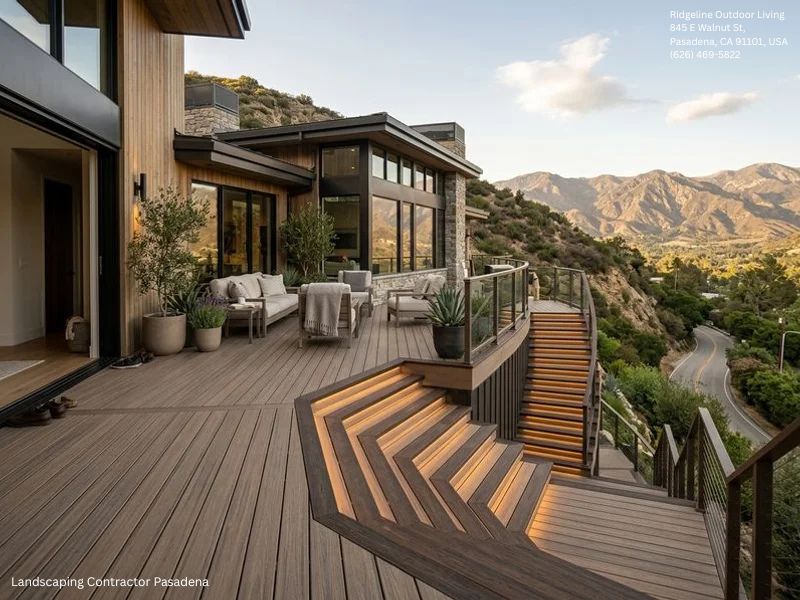
The design language follows function. In a compact yard, a single generous move often beats multiple small gestures. One wide set of steps from the living room to the yard feels better than two skinny stairs patched onto a patio corner. On larger lots, we break spaces into zones, but maintain sight lines so guests are not isolated. We also talk about what you do not want. Some clients love the idea of a fire pit but never sit near flame. For them, a long banquette with integrated lanterns and dimmable lighting wins.
Los Angeles rewards restraint and texture. We lean on porcelain plank pavers or high quality concrete for clean lines, save more expressive stone for accents, and keep plantings low water but layered. That balance keeps maintenance down and still delivers what many call a resort feel at home.
What the numbers mean, not just what they are
We do not pitch fantasies. Construction in Los Angeles carries real costs, but there is latitude in the details. A paver patio with a compacted Class II base installed at six inches deep costs more upfront than a four inch concrete slab, but pavers allow sectional replacement, breathe better on clay soil, and move without cracking. For clients weighing Paver Patios vs Stamped Concrete: Pros and Cons, we explain that stamped concrete offers continuous visual fields at a lower initial price per square foot in many cases, but demands careful joints and regular maintenance to avoid surface spalling. Pavers, while often a bit higher on day one, tend to look fresh longer with routine sealing.
Outdoor kitchens vary wildly because infrastructure drives cost. Running a new gas line from a meter on the opposite side of the house might require hardscape cuts and street-side permitting. The build itself depends on structure and finish. A simple L shaped island in stucco with granite can be built efficiently. Add waterfall edges, porcelain facings, built in heaters, and a vented pergola, and the figure climbs. When clients ask How Much Does an Outdoor Kitchen Cost in Los Angeles, we walk through base ranges and then show how appliances and finishes affect brackets. Smart splurges include counter depth, task lighting, and a reliable grill core. If you like pizza, a compact gas brick oven is fun and sees more use than people expect. Oversized refrigeration in the yard, on the other hand, often ends up storing bottled water and melting ice in summer, not much else.
Concept development and 3D modeling
Once we agree on program and provisional budget, we move into concept drawings. Plans start 2D with existing and proposed grades, circulation, and utilities. If sight lines matter, we build a light 3D model to confirm scale and height, especially helpful when placing a pergola near property lines or deciding how much of a neighbor’s second story is visible from a spa. We check focal points from interior rooms. The view from a kitchen sink toward a lit olive tree might be the most enjoyed scene in the house. Capturing that is worth a sketch.
We present two or three schemes if the site can support legitimate alternatives, not simply cosmetic tweaks. Feedback at this stage shapes the rest. A common pivot is shade strategy. Some clients like the light footprint of a pergola. Others want a full roof that makes the yard a second living room. Pergolas vs Covered Patios: Which Is Right for Your Home is rarely answered by style alone. It comes down to sun angles, budget, and how you use the space. A wood pergola with a slatted top cools the patio without heavy engineering. A covered patio with finished ceiling, heaters, fans, and integrated lighting behaves like a room, and it requires a different permit path.
Drainage as a design driver, not a punch list item
Los Angeles averages modest rainfall annually, but intense storms do visit, and yard failures show up in those weeks, not in August. We design drainage on paper first, then weaves it into the grade plan. When surface flow is not enough, we turn to subsurface systems. French Drains Explained: Protecting Your Property From Water Damage is not a glamorous topic, yet the details pay off. A proper French drain is a trench lined with fabric, filled with a graded reservoir of washed rock, and fitted with a perforated pipe that carries water to a lawful outlet. We size the pipe for anticipated flow, not just what looks good in a photo. The trench depth and slope matter. So does protecting the system from the fines that clog it.
On one Brentwood remodel, the homeowner had a yearly mushy lawn. The sprinkler schedule was not the culprit. The yard sat over a heavy clay pan, and two downspouts dumped into planter beds. We re-graded, added area drains in the low spots, and tied a French drain along the footing line to a curb cut with a pop up emitter. After the first heavy rain that winter, the owner texted a photo of a lawn you could walk on in sneakers.
Hillside logic and retaining walls that do their job
Many Los Angeles properties step down from the street or fall off behind the house. Retaining Walls for Hillside Properties: What Homeowners Need to Know starts with engineering. Over three to four feet of retained height, the city will require calculations and often inspections. Even shorter walls deserve respect. We specify block type, drainage backfill, filter fabrics, and weep holes. On taller segments, we add geogrid and tiebacks. We plan how the wall meets stairs and how the cap offers a comfortable seat. A beautiful wall that is too hot to sit on at four in the afternoon missed a chance to serve.
Access remains a real cost factor. Hauling out 50 cubic yards of soil by wheelbarrow changes the equation. In some cases, terracing with 18 to 24 inch risers creates planting pockets and spreads the visual mass. On a Silver Lake slope, three short terraces with native grasses and a sinuous path delivered more usable space than a single tall wall and felt softer underfoot.
Choosing surfaces you will live with for years
Materials decide how a yard feels at noon and at night. We balance slip resistance, maintenance, and heat under bare feet. Light porcelain pavers stay cooler in summer. Dense stone holds up to chair legs. Concrete looks clean and takes color well if cured and sealed correctly. When advising on The Best Hardscape Materials for Southern California Landscapes, we talk through texture and thickness, then decide based on actual touch, not just catalog images. For driveways, The Most Popular Driveway Materials in Los Angeles include concrete with modern saw cuts, permeable pavers, and decorative gravel contained by steel edging. When clients ask for 15 Driveway Paving Ideas to Improve Curb Appeal, we often steer them toward two or three options that suit their architecture, then dial in details like joint spacing and lighting.
Artificial Turf vs Sod: What’s Best for Los Angeles Homes always draws strong opinions. We install both, but for different reasons. Quality artificial turf saves water and avoids mud, excellent for small kids’ play zones or tight side yards. It still needs proper subgrade, drainage, and periodic sanitizing. Real sod or seeded native blends cool the yard and feel authentic, but expect seasonal patching and irrigation tuning. On a dog heavy household, we lean synthetic with a deodorizing infill and a rinsing regimen. For clients who love gardening, drought tolerant blends with deep roots and smart controllers make more sense.
Lighting and the way a space breathes after dark
A yard without lighting is half built. We prefer a hierarchy instead of scattershot bright spots. Path lights handle safety. Wall washers reveal texture. Under cap LEDs on seat walls and steps handle task and orientation. Pendant lighting over the kitchen and dining table makes meals feel intimate. When clients reference 10 Outdoor Lighting Ideas for Los Angeles Landscapes, we translate those inspirations into a plan tied to zones and dimmers. Soft white color temperatures keep skin tones flattering. We set transformer locations where they can be serviced without crawling behind shrubs.
Permitting and engineering without the maze
Permits in Los Angeles vary by city and scope. Retaining walls over a certain height, gas and electrical work, grading beyond thresholds, and patio covers with roofs will trigger reviews. We prepare submittals with clear plans so reviewers do not guess at intent. Structural engineers weigh in where needed. Some jurisdictions move quickly. Others take months during peak seasons. Being frank about timing helps everyone plan.
Here is the short checklist we use to predict whether a permit will be part of your project:
- Any retaining wall approaching or exceeding four feet of retained height New gas, electrical, or plumbing runs to outdoor kitchens, heaters, or fire features Patio covers with solid roofs or significant structural spans Grading that moves more than minor quantities or changes drainage patterns near property lines Work inside coastal or hillside zones that carry special reviews
For homeowners’ associations, we supply the same clarity, usually with an emphasis on finishes, colors, and noise considerations for equipment. Neighbors appreciate schedules and honest communication, which is why we share major milestones at the outset.
Preconstruction: where we earn our keep before a shovel hits soil
We create a schedule integrated with procurement. Long lead items like porcelain slabs, specific appliances, or heaters get ordered early. Utility locates are scheduled. We stake grades and paint out layouts. We mark protection zones for trees and set up temporary irrigation if needed. When clients plan parties, we stage phases so you never live with open trenches longer than necessary.
We also assemble a detailed cut sheet packet. Even within a category like drain fittings, the wrong product can slow a crew by hours. When three teams work simultaneously - demo, utilities, and carpentry - coordination prevents rework. It is rarely glamorous, but it saves money and preserves momentum.
Breaking ground and staying clean
Demolition tells you truths drawings do not. We avoid shortcuts that look efficient but cost later. A typical paver installation begins with excavation and haul out to the design elevations, followed by a compacted Class II base. On patios, we build at four to six inches deep depending on anticipated use. On driveways, eight inches or more, with geotextile where soils dictate. Bedding sand follows, then pavers, then a quality polymeric joint sand vibrated into place with a plate compactor equipped with a protective mat. Edge restraints keep patterns tight. Sealing occurs after the initial cure, not the same day a patio is swept.
For concrete, we confirm subgrade compaction, place steel, and plan joints rather than reacting to cracks later. In summer heat, we schedule early morning pours and protect curing slabs from flash drying. Concrete is forgiving in some ways and unforgiving in others. We keep hose bibs ready and wind screens where needed.
French drains and area drains go in before final grades. On several projects, we have re-piped old downspouts that emptied into planters because no surface expression of drainage could keep up under a sideways storm. The difference between a property that sheds water gracefully and one that stews is often an hour and a half of patient trench alignment and a few more fittings at the right elevation.
Outdoor kitchens built like small buildings
An outdoor kitchen is not a box with a grill. It is a small structure that has to breathe, shed water, and offer safe, convenient service. We frame it for the selected finish - masonry block, steel studs with cement board, or cast in place concrete - then place utilities inside organized chases. Ventilation is not optional, it is required for safety and appliance warranties. Counter height settles at about 36 inches, bar height at 42, with toe kicks that let you work without leaning your back. We slope counters slightly to shed landscaping guides water, set cutouts to manufacturer specs, and ensure heat clearances. If you plan to bake pizzas at 700 degrees, nearby finishes must tolerate it.
When choosing features that are worth the upgrade, we rate them by daily utility. A sturdy grill core and a separate side burner get used weekly. Thoughtful task lighting and a dimmable zone over the dining table make evenings better. An ice maker in the yard can be great or an expensive service call. A beverage fridge is handy, but plan shade and ventilation so it lasts. Ridgeline Outdoor Living’s Guide to Outdoor Kitchen Design goes deeper on these tradeoffs, but the point is simple: build the backbone right, then dress it carefully.
Fire, water, and the way guests gather
Fire features come in many forms. For mellow, year round use, a linear fire table with a wind guard and adjustable output lets you warm a group without roasting them. If you want a classic circle that invites conversation, keep internal diameters at least 36 inches and allow 18 to 24 inches of surround for plates and glasses. Gas is clean and controllable. Wood is romantic, but less practical in tight neighborhoods. We incorporate flame sensors and proper clearances near structures or plantings. 12 Backyard Fire Pit Ideas for Entertaining Year-Round may spark your imagination, but placement and scale matter more than style.
Business Name: Ridgeline Outdoor Living
Address: 845 E Walnut St, Pasadena, CA 91101, United States
Phone: (626) 469-5822
Ridgeline Outdoor Living
Ridgeline Outdoor Living is a Pasadena-based landscape design-build company serving Greater Los Angeles with custom outdoor living, hardscape, and drought-tolerant landscape solutions. The company specializes in patios, retaining walls, outdoor kitchens, drainage, hillside projects, and turnkey landscape construction, handling projects from design and permitting through final build and warranty.
845 E Walnut St, Pasadena, CA 91101, USA
Business Hours:
- Monday – Saturday: 8:00 AM – 6:00 PM
- Sunday: Closed
Follow Us:
Water has a similar magnetism. Sheer descent walls, modest bubbling stones, or a rill that edges a path can all fit different yards. In drought years, we specify recirculating systems with covered basins and auto fills tied to irrigation. 12 Water Feature Ideas for Luxury Los Angeles Backyards is a fun list, but on the ground, one well placed feature beats a cluster of small pieces every time.
Planting for a dry climate without giving up beauty
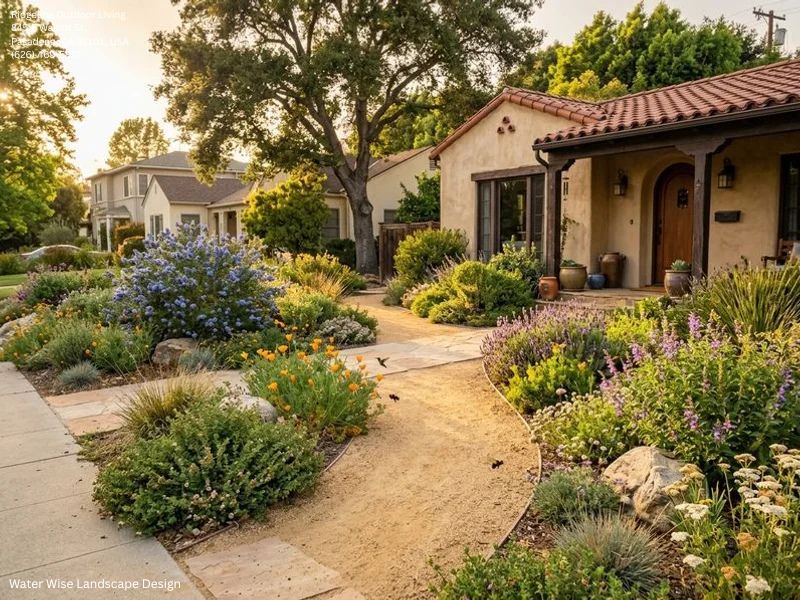
The Ultimate Guide to Drought-Tolerant Landscaping in Los Angeles is longer than this section, but we practice the highlights daily. We group plants by water need, use mulch correctly, and install efficient drip that keeps foliage dry. The Best Drought-Tolerant Plants for Los Angeles Yards include sages, manzanita, westringia, muhly grass, olive, and citrus in sunny spots, with layered textures and seasonal interest. A few well chosen trees shape microclimates, drop temperatures, and make patios usable deeper into the day.
We avoid thirsty lawns as default. Where turf is needed, we keep it sized to use, not habit, and pair it with smart controllers and weather based schedules. Why Drought-Tolerant Landscaping Is a Smart Investment is obvious when water bills fall and weekends spent battling weeds turn into afternoons spent enjoying the space.
Quality control, small fixes, and the final five percent
Punch lists are not signs of failure, they are the normal way to tune a complex build. We walk the project with you in the morning and at night. We note hot spots on seating, adjust downlights that glare at eye level, flip pavers where a chipped edge snuck through, and re-slope a short reach if a puddle appears on the first rinse. We clean burn media in fire features and train you on gas shutoffs. We label the lighting transformer zones and show you how to schedule scenes. For irrigation, we set seasonal adjust and walk through manual start for heat waves.
On one Studio City yard, the client mentioned that the seat wall felt too cool to sit on in the evening. We added a subtle strip of under-cap heating tied to the lighting transformer’s smart controller. Small detail, outsized effect.
Care, warranties, and living with the space
A finished hardscape is low maintenance, not no maintenance. We deliver care sheets tailored to materials. Pavers ask for a reseal every two to three years in sunny exposure. Concrete likes gentle cleaners, not harsh acids. Porcelain needs little beyond sweeping and an annual wash. Artificial turf benefits from periodic brushing and, in dog zones, enzyme cleaners. Plantings respond to seasonal grooming and a light hand with fertilizer. We make ourselves available for tune ups, because relationships do not end at the last invoice. Many of our favorite projects grew in phases over years, guided by the same plan and trust.
A brief look at our typical project arc
For clients who like a bird’s eye summary, here is how the work usually flows from first handshake to final handoff:
- Discovery and site analysis, with early budget ranges and program definition Concept design, preliminary pricing, and revisions based on priorities Engineering, permit submittals where required, and procurement of long lead items Construction sequencing: demo, grading, drainage, utilities, hardscape, vertical elements, planting, and lighting Commissioning, punch list, training, and maintenance planning
Notes on cost clarity and phases that make sense
What Does Hardscape Construction Cost in Los Angeles is a fair question and one we answer transparently. Access, soil, scope, and finishes are the big levers. We sometimes phase projects to keep momentum without blowing up a budget. A client might start with grading, drainage, and a core patio, then add the kitchen and pergola six months later. The trick is planning utilities and footings upfront so phase two snaps in without rework.
When we discuss 10 Backyard Upgrades Worth the Investment, the same pieces keep returning: grading and drainage done right, a durable primary surface, shade you actually use, a simple but reliable cooking area, and layered lighting. Everything else is taste and timing.
What experience taught us about good hardscapes
Years of building across Los Angeles taught a few reliable lessons. Hard edges need soft counterpoints. Big moves feel calmer than busy ones. You cannot cheat water. Preparation beats repair. Good lighting makes modest plantings look rich. A single expressive tree placed with care can carry an entire yard. Owners love rooms they actually inhabit, not showpieces. And professional landscape design truly saves time and money because it reduces change orders and handles the small frictions of construction before they derail schedules.
If you have a hillside, a modern lot with tight setbacks, or a small backyard that needs to work like a Swiss Army knife, the same principles apply. Start with what the land is telling you. Set a program that matches your life. Choose materials on touch and endurance. Build with gravity, not against it. Finish with light, shade, and a few moments of surprise.
Ridgeline’s role in all of this is not merely drawing and not merely building, but keeping your interests intact from the first level check in the dirt to the last sweep of polymeric sand. When the patio cools at dusk, the burners quiet, and the step lights glow just enough to guide you to a chair, the work has done its job.