Los Angeles can go months without rain, then take the full punch of a season in a day. When that happens, patios turn slick, yards pond, and water seeks the most stubborn path toward garages and crawlspaces. Good drainage does not shout for attention the way a new patio or outdoor kitchen might, but it preserves everything those features rest on. If a landscape is the body, drainage is the circulatory system. It keeps water moving, where and when it should.
I have walked plenty of properties the morning after a storm, seeing the same story play out in different neighborhoods. A Studio City hillside with a beautiful new retaining wall, but no subdrain. A Venice bungalow with clay pan soil and standing water three days after a half-inch rain. A Glendale driveway that pitches just slightly toward the garage, enough to slide water under the threshold each winter. These are not failures of effort, only of planning for how Los Angeles weather actually behaves.
This guide explains how French drains, channel drains, and dry wells work on LA lots, and how to choose and combine them. It draws on the practical details that make the difference between a system that works on paper and one that holds up for a decade.
What makes LA drainage unique
First, the climate. Long dry stretches bake the ground, then short, intense storms test every weak point. Many LA soils are heavy on fines, especially in the flats west of Downtown and through the San Fernando Valley. Those clays swell when wet and seal tight near the surface, which limits infiltration just when you need it. On the hillsides, the profile changes with depth and fill. You might have a permeable top layer, then a dense lens that sends water laterally along a slope. That lateral flow is why retaining walls weep, why some slopes let go, and why homes at the toe of a hill are at risk.
Second, the hardscape mix. Concrete driveways, large-format pavers, and covered patios handle traffic well, but they turn a rainfall into runoff. Roofs and pergolas help outdoor living, then add more square footage shedding water in a rush. Features meant to improve a yard can easily double the volume you must handle. The best projects account for this from the first sketch. When we design outdoor kitchens or fire features, we often shape the grades and hardscape joints to push surface water where a drain can catch it rather than letting it wander.
Third, the regulatory context. The City of Los Angeles Low Impact Development Ordinance requires most new or significantly improved properties to capture and use or infiltrate stormwater on site. The typical target is the 85th percentile storm, which works out to roughly 0.75 inch of rainfall over your contributing hardscape and roof areas. Other jurisdictions within LA County use similar rules with local nuance. If your project includes new hardscape or a permit, expect to address this, usually with infiltration elements like dry wells, permeable pavers, or biofiltration planters.
The three systems you will hear about
Most residential drainage designs use one or a combination of French drains, channel drains, and dry wells. They do different jobs, and the best results come from putting each to work where it excels.
French drains: moving subsurface water out of the way
A French drain is a trench with a perforated pipe set in washed gravel and wrapped in a geotextile fabric. It intercepts water moving through the soil and gives it a faster, freer path downhill. You will see French drains along the uphill side of a foundation, behind retaining walls, at the foot of planting beds that sit above patios, and along fence lines where a neighbor’s lot sheds toward you.
The details decide whether a French drain keeps working. Most residential trenches should be 12 to 18 inches wide. Depth depends on what you are trying to protect. Along foundations, we often set the invert of the pipe at or slightly below the bottom of the footing or slab edge if we are intercepting lateral movement. Behind a retaining wall, the pipe sits at the base of the wall, with gravel continuing up to near grade. The pipe needs a steady fall. A slope of 1 percent, about 1/8 inch per foot, is a minimum you can maintain in a residential yard. The gravel should be clean 3/4 inch angular rock, never decomposed granite or pea gravel that can migrate and clog voids. We use a non-woven, needle-punched geotextile that passes water while holding fines out, then fold it like a burrito around the gravel. That wrap is the difference between a drain that flows for ten years and one that silts up after a single wet season.
Pipe choice matters. Corrugated ADS is flexible and quick to install around bends, but it can deform under heavy loads and is tougher to flush clean. Perforated PVC, Schedule 40 or SDR-35 with a sock, holds grade well and can be jetted if needed. We usually pick PVC for main lines and use corrugated for short sections where a quick curve saves space.
Every French drain needs a legal place to send water. Options include daylighting on a slope, tying into an approved storm line, or feeding an infiltration element such as a dry well. Curb cores are permitted through the city with inspection, but you cannot legally discharge to a sanitary sewer. On flat lots, the outfall often lands in a dry well with an overflow that runs to a curb core or area of the yard designed to pond briefly without damage.
A common edge case in LA is the shared fence line. If a neighbor’s property is a foot higher than yours, their runoff may keep your side saturated. A French drain just inside your line, with the pipe set a couple of inches lower than the neighbor’s grade and wrapped tight in fabric, can do a lot to keep your side firm without turning the situation into a dispute.
Channel drains: catching water the moment it becomes runoff
Channel drains, also called trench drains, handle surface water. Think of them as linear gutters in the ground, topped with a grate. They shine at garage thresholds, the toe of a driveway where it meets a sidewalk, across a patio that slopes toward the house, or along the back of a pool deck where splash and hose water build up.
The installation reads simple, but there is craft in the details. Concrete or polymer concrete channels come in sections, with built-in fall or neutral channels you set to grade. Plastic channels are fine for light-duty areas if they are fully encased in concrete. Grates are rated by load class. A residential driveway that sees SUVs should use at least a B-rated grate, preferably C where vehicles turn or stop. We haunch channels in concrete, then tie into a solid pipe to move the captured water to a sump, dry well, or legal discharge. At garage thresholds, we aim to set the grate about 1/4 inch below the slab so even a shallow sheet of water falls in. At patio doors, we watch ADA transitions and select a slot drain or narrow-profile linear drain that blends with the hardscape.
Where pavers meet a channel, the base must be continuous. We compact the open-graded base stone tight to the channel’s outer walls and plan for a neat soldier course of pavers at the edge. Poor transitions crack or settle, and then leaves collect where water should flow.
Maintenance is less effort if you think ahead. A channel drain placed under a ficus canopy will need frequent landscaping guides cleaning. A debris basket at the first catch basin in the line pays for itself with every storm.
Dry wells: putting water back in the ground
In many parts of LA, the path to compliance with LID and to practical drainage on a flat lot runs through infiltration. A dry well is an underground void, either a rock-filled pit or a plastic or concrete chamber system, wrapped in fabric and sized to accept and infiltrate runoff. When soils allow it, a dry well can swallow a surprising amount of water while keeping your yard functional at the surface.
Size is a function of contributing area, rainfall target, and the storage efficiency of the void. Here is a real-world sketch. A 1,000 square foot roof must capture 0.75 inch of rain under the city standard. That is 0.0625 feet, or about 62.5 cubic feet of water. A pit filled with 3/4 inch gravel has roughly 40 percent void space, so you would need about 156 cubic feet of gravel to store that 62.5 cubic feet of water. That could be a pit about 6 feet by 6 feet by 4.3 feet deep, plus working room and cover. A modular chamber with 95 percent void space could be much smaller, roughly 66 cubic feet of chamber void for the same job. We often choose chambers when space is tight or access is limited, reserving rock pits for simple, accessible yards where budget is a concern.
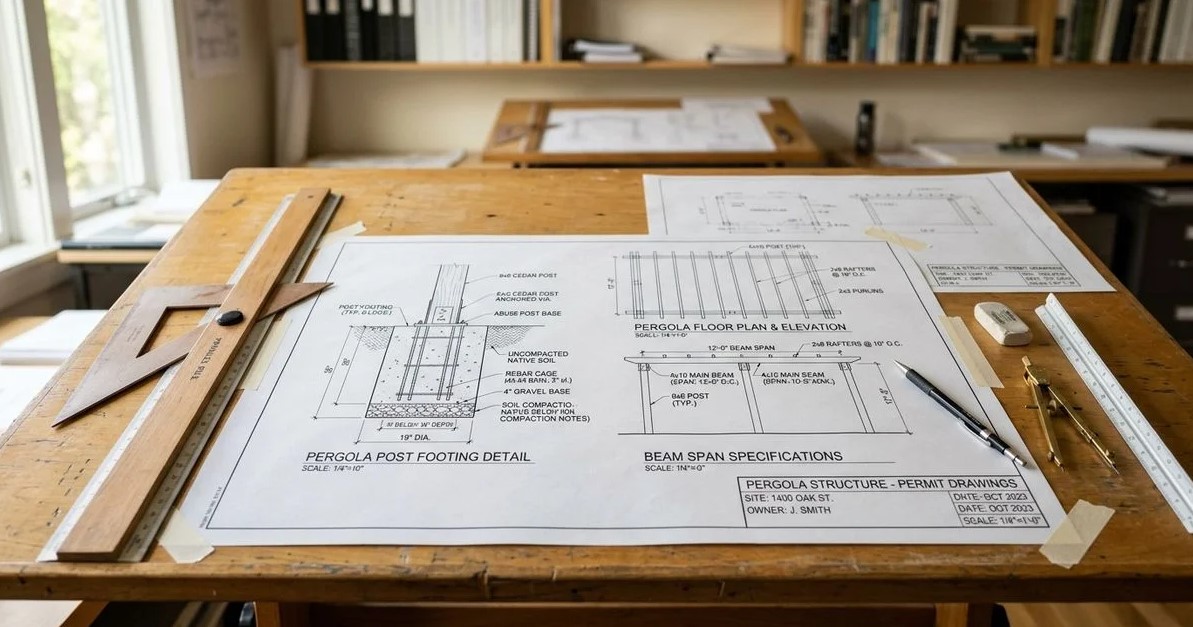
No dry well should be installed without a percolation test. You want to know how fast water will leave the void once the storm passes. In LA’s clay pockets, perc rates can be too slow, and a dry well becomes a bathtub. When perc is marginal, consider a hybrid: a smaller infiltration chamber with an overflow line to a curb core. That approach reduces offsite discharge during most events, yet respects the reality of the soil.
Setbacks protect structures. Expect at least 10 feet from foundations, often more for basements or on slopes. Keep 5 feet from property lines unless both neighbors agree and a design professional stamps the plan. Stay clear of utilities. Call 811 before you dig and verify private lines. On hillsides, keep infiltration elements away from the top of slopes and the back of retaining walls unless an engineer directs otherwise. A dry well that increases subsurface flow near a slope can cause exactly the movement you are trying to prevent.
Plumbing must allow air in and out. Without a vent, a full dry well can air-lock and back up. We integrate a vent stack in a discrete location, often hidden in planting.
Matching the system to the problem
You can often tell which system a yard needs by reading the failure pattern after a storm. Surface sheet flow across a patio calls for a channel drain or a regrade. Persistent dampness at the base of a retaining wall or against the back of a house points toward a French drain. Standing water in a low pocket of lawn suggests the need for infiltration or a regrade that pulls water to a catch basin feeding a dry well.
Here is a compact way to think about the fit across typical conditions:
- French drains intercept subsurface water moving laterally through soil, especially along slopes, foundations, and behind retaining walls. Channel drains collect visible surface runoff where a slope or threshold would otherwise funnel water into a structure or low spot. Dry wells store and infiltrate collected water on flat lots and for LID compliance when soils have reasonable percolation. Combinations handle complex sites, for example, a channel drain across a garage threshold tied into a dry well, with a French drain along the uphill yard edge. Regrading and permeable hardscape reduce the burden on all three, and often cost less than oversized drains.
That last point matters. We frequently reshape a patio base, tweak a driveway cross slope, or switch a walkway to a permeable paver system to reduce peak runoff. Choices like that tie directly to broader goals in Los Angeles landscapes, including drought management and lower life-cycle costs. If you are considering a larger remodel, it is worth reading up on topics like The Ultimate Guide to Drought-Tolerant Landscaping in Los Angeles and Paver Patios vs Stamped Concrete: Pros and Cons, because those decisions affect how much drainage hardware you need later.
Codes, permits, and good neighbors
Drainage work touches several rule sets in Southern California. Inside the City of LA, the LID Ordinance drives design on permitted projects and often requires a simple plan submittal showing how you will capture or treat the 0.75 inch storm. LADBS will also review curb core details if you plan to discharge to the street. Not every lot gets a curb core. On steep streets, additional protections may be required to prevent erosion at the gutter.
Unincorporated LA County and the 88 cities within it have similar stormwater standards. Always verify local amendments. HOA rules can also limit what you build or where you place a vent stack.
Call 811 and use private locators before trenching. Gas lines, shallow electrical to landscape lighting, and low-voltage irrigation wires love the same edges and paths that drains want. We have found abandoned clay pipes from prewar homes, undocumented conduits, and, once, a forgotten septic tank. Probing and soft digging at first saves headaches.
If your yard backs to a neighbor at a higher elevation, a conversation before work starts helps. Drainage often lives along property lines. A brief sketch shared over the fence can prevent surprises and set a cooperative tone.
How we build systems that last
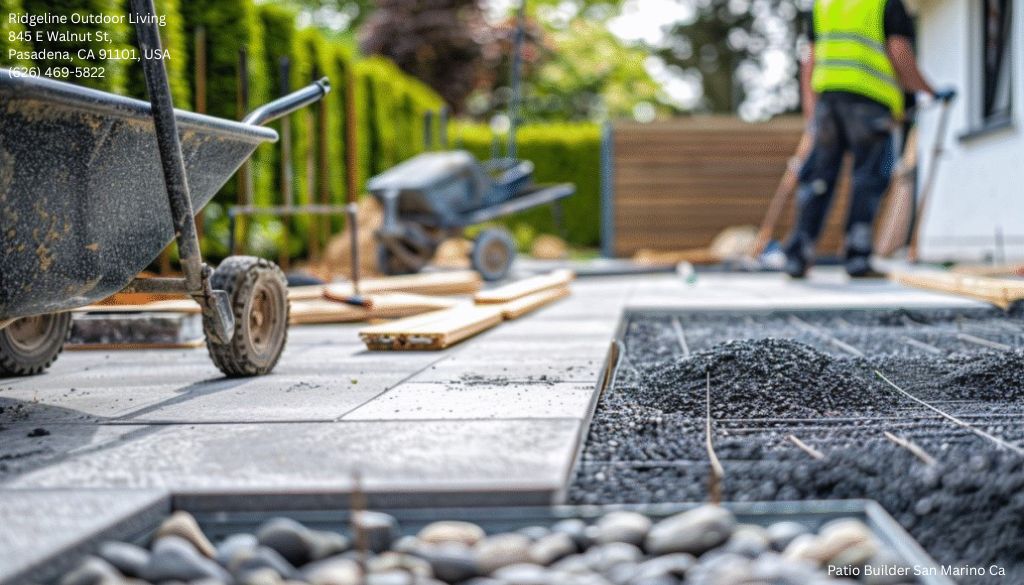
There is no fixed outline for every yard, but a few sequences repeat because they work. On a flat Culver City lot with heavy clay and a garage that sat a half inch too low, we started by sawcutting a narrow trench across the driveway just outside the garage. A polymer concrete channel drain with a B-rated grate went in, haunched in concrete. That channel tied into a 4 inch solid PVC line, pitched at 1 percent to a small chambered dry well in a side yard bed. We ran a perc test in that bed and found a modest rate, so we added an overflow line to a curb core with a backwater flap. We set the patio by the side door to fall slightly toward a thin slot drain, then tied that into the same line. At the end we had no pumps, no magic, just gravity and storage sized for the square footage.
On a steep Silver Lake hillside, the story changed. There, water moved quietly through soil to pool along the back of the house after storms. We opened a trench a few feet uphill from the foundation, to a depth just below the slab edge, set perforated PVC in 3/4 inch rock, wrapped it in a non-woven geotextile, and gave it a fall to daylight on the downhill side. Behind an existing retaining wall we found no subdrain at all. We added one, drilling weep holes and backfilling with rock to allow pressure relief. In that case, infiltration near the slope was not a good idea. The goal was interception and conveyance, not storage.
On a Pasadena property with a new pavilion and outdoor kitchen, the roof doubled the impervious area feeding a narrow side yard. The LID volume calculation came to roughly 90 cubic feet. Soil tests showed good percolation in the front yard only. We tucked a modular chamber below a new native planting bed out front, then piped roof downspouts and a discreet channel drain under the pavilion to that chamber. The front yard commercial landscapers Pasadena now holds stormwater, the natives thrive with deeper moisture, and the outdoor kitchen stays dry.
Materials, specs, and details that pay off
Small choices add up to a big difference in performance and lifespan.
- Trenches should be wide enough for consistent rock placement and fabric wrap. We avoid skinny cuts that cannot hold a stable envelope of stone. Use solvent-welded PVC for main conveyance lines, with cleanouts at key turns. In corrugated sections, include inspection risers. You will thank yourself later when you need to jet a line. Select geotextile with the right permeability. A non-woven fabric around rock allows free water movement, while a woven fabric is stronger for separation layers under channel drains and pavers. For channel drains in driveways, pour concrete haunches that tie into the slab or base. Gravel backfill alone lets channels creep and settle under tire loads. Vent dry wells so air can escape. Without a vent, the first rush of water can trap air and stall inflow. Plan overflows as a feature, not an afterthought. Where does water go in a 2 inch rain if your dry well is full? A legal, visible path keeps you out of trouble.
These details connect to broader design choices. For example, permeable pavers over an open-graded base can act like a shallow infiltration bed. In projects where we install luxury hardscapes and outdoor entertainment features, we often pair permeable fields with targeted drains. That approach reduces hardware and lets stormwater recharge the soil under drought-tolerant plantings.
Maintenance that protects your investment
Even the best-built drainage needs simple care. A few minutes after the first heavy rain does more than an hour after a flood.
- Clear channel drain grates and catch basin baskets of leaves before and after major storms. Hose test critical areas once a year, watching flows and checking for backups at cleanouts. Flush French drains every couple of years if you have cleanouts, especially in clay-heavy soils. Inspect dry well vents and overflows to make sure they are unobstructed and secure. Re-level pavers near drains if you see settlement that traps water.
We schedule maintenance visits ahead of the rainy season for clients with complex systems. If you prefer to handle it yourself, keep a simple log. Dates, what you observed, and any slow areas. Patterns tell you when a small service becomes necessary.
Costs and timelines in LA terms
Costs vary with access, finish materials, and surprises underground, but some ranges help set expectations.
French drains along foundations or property edges typically run 50 to 110 dollars per linear foot in LA, including trenching, rock, fabric, perforated pipe, and tie-in to an outfall. Corrugated pipe costs less up front, PVC more but with longer service life. Drains behind retaining walls often bundle into wall pricing. If you are planning walls, read up on Retaining Walls for Hillside Properties: What Homeowners Need to Know. Subdrains in walls are not optional, they are structural insurance.
Channel drains vary widely. A light-duty channel across a patio might be 80 to 120 dollars per linear foot installed. A driveway threshold with polymer concrete channels and heavy grates can run 120 to 180 dollars per linear foot, more if we must sawcut, demo, and re-pour substantial concrete. Slot drains with stainless covers at patio doors look sleek and add cost.
Dry wells start around 3,000 dollars for a small rock-filled pit in an accessible bed and rise to 8,000 dollars or more for chamber systems that meet LID volumes in tight yards. Add fees for percolation testing, design documentation for permit, and any curb core work. If we integrate a bioswale or planter to meet the same capture requirement, that budget reallocates toward planting and grading with similar net effect on drainage.
Most single-feature installs take 1 to 3 days. More complex systems, with trenching across a driveway, tying downspouts, and adding a dry well, take a week or two depending on inspection schedules and concrete cure time. We try to coordinate with other site work, such as new pavers or an outdoor kitchen project, to reduce redundant demolition and make the most of open trenches.
Mistakes we avoid, and you should too
The most common error is giving water no legal destination. A French drain with no fall and no outfall becomes a gravel-filled moat. Channel drains that pitch flat will hold a film of water that breeds algae and smells. Dry wells without perc testing fill once, then sit full for days.
Another trap is mixing soil and rock carelessly. If the trench sides slough dirt into the gravel, or the fabric wrap tears and is not repaired, fines will migrate and clog voids. We keep trenches tidy, place rock carefully, and fold fabric with generous overlaps.
We see plenty of overreliance on drains when a small grading change could reduce the load. Tilt a patio by another half percent, introduce a gentle swale through a planting bed, or step a walkway, and you might halve the volume in a storm. Smart grading pairs with drains, it does not fight them.
Lastly, do not underestimate how new features change runoff. Adding a pergola or a covered outdoor kitchen increases roofed area. If you are weighing Outdoor Kitchen Trends Los Angeles Homeowners Are Choosing or How Much Does an Outdoor Kitchen Cost in Los Angeles?, include the downspout plan and the drainage tie-ins in that decision. Spend a little on pipes and slopes now to avoid a big fix later.
Tying drainage into the whole landscape
Drainage is not a bolt-on. It is part of the design language of the property. When we create outdoor living spaces, we choose materials and grades with water in mind. Permeable paver patios drain through the joints into a stable base that stores and spreads water. Artificial turf over a well-built base drains fast and stays usable, whereas sod on compacted clay becomes a swamp. If you are deciding between Artificial Turf vs Sod: What’s Best for Los Angeles Homes?, consider drainage performance as a core criterion, not an afterthought.
Planting supports the system too. Deep-rooted native and drought-tolerant species help open soil structure, improving infiltration over time. The Best Drought-Tolerant Plants for Los Angeles Yards are not only water misers, they are partners in stormwater management. Bioswales with sedges, rushes, and native shrubs slow and filter runoff, then return it to the ground cleanly. Lighting and hardscape choices, from low-profile path lights that avoid glare to paver patterns that define micro slopes, complete the picture. Details like these are the quiet backbone of How Ridgeline Outdoor Living Creates Functional Outdoor Living Spaces.
Business Name: Ridgeline Outdoor Living
Address: 845 E Walnut St, Pasadena, CA 91101, United States
Phone: (626) 469-5822
Ridgeline Outdoor Living
Ridgeline Outdoor Living is a Pasadena-based landscape design-build company serving Greater Los Angeles with custom outdoor living, hardscape, and drought-tolerant landscape solutions. The company specializes in patios, retaining walls, outdoor kitchens, drainage, hillside projects, and turnkey landscape construction, handling projects from design and permitting through final build and warranty.
845 E Walnut St, Pasadena, CA 91101, USA
Business Hours:
- Monday – Saturday: 8:00 AM – 6:00 PM
- Sunday: Closed
Follow Us:
When to call a professional
If water is entering living spaces, if you have retaining walls without visible drainage, or if your property sits below a neighbor’s, get a qualified assessment. On permitted projects in the city, you will need stamped drainage plans when LID applies. Even for small fixes, an experienced eye can separate the symptom from the cause. We often advise homeowners who first tried a big-box store solution only to discover that the yard’s grade and soil set limits a plastic kit cannot overcome.
Ask pointed questions. Where will the water go in a large storm, not just the first half inch? What is the perc rate and how was it tested? How far are infiltration elements from structures and slopes? What material is specified for conveyance lines and why? The answers reveal whether a contractor thinks deeply about water or is simply installing components. If you are starting larger work, the broader guidance in How to Prevent Yard Flooding With Proper Drainage Solutions and The Complete Guide to Hillside Landscaping in Los Angeles will give you context to evaluate proposals.
The payoff for doing it right
A yard that drains well feels different. After a storm, you can step onto the patio without skidding. The garage stays dry. The base beneath your pavers holds tight for years. Plants look better because their roots are not drowning one week and gasping the next. You spend your budget on features you can see and enjoy, instead of on emergency repairs. Real estate professionals notice it too. As with other smart upgrades, like the hardscaping features that increase property value, well-executed drainage shows up in the health of the site and the confidence of buyers.
French drains, channel drains, and dry wells are simple tools, but they ask to be placed with care and built with respect for LA’s soils, slopes, and storms. When they are, they disappear into the landscape, quietly doing the work that keeps everything else performing. That is the kind of outdoor living upgrade that pays back every rainy season.