Los Angeles was made for outdoor living. Long evenings, dry summers, and mild winters invite meals to move outside most of the year. A well planned outdoor kitchen turns that habit into a daily pleasure instead of a weekend project. At Ridgeline Outdoor Living, we approach each space with the discipline of a builder and the eye of a host. The goal is simple: a kitchen that cooks well, holds a crowd, and lasts through sun, wind, and time.
Start with the ground you actually have
Every good outdoor kitchen begins with the site. In Los Angeles, a few inches of slope or one misread property line can upend a layout. You want level counters and steady footing, but you also need water to drain and structures to sit on soils that shift with heat and occasional rainstorms. An initial assessment typically includes spot elevations, soil feel, and water flow patterns. On flat lots in the Valley, we often carve subtle pitches into a new paver or porcelain patio, sending water to a channel drain that ties into a French drain. On hillside properties from Silver Lake to Bel Air, movement and erosion risk sit at the top of the list. A low retaining wall may be more than a design accent. Built properly, it protects the kitchen by stabilizing grade and preventing washouts.
Zoning rules shape what is possible. In landscaping guides the city of Los Angeles, detached outdoor counters and BBQ islands are usually allowed in rear and side yards but must respect setbacks and utility easements. Gas and electrical lines require permits, and covered structures can trigger height and fire separation rules. Homes in Very High Fire Hazard Severity Zones need ember resistant details and stricter clearances, particularly if you are considering a roofed pavilion. We verify all of this at the start so design time is spent on ideas that will actually be approved.
Clarify how you cook and how you gather
The best layouts follow the way you live. A homeowner who grills three nights a week and serves six should not inherit a 12 foot island with three appliances and no counter landing space. Conversely, a family that hosts twenty for birthdays deserves circulation, zones for grazing, and a second surface for drink prep.
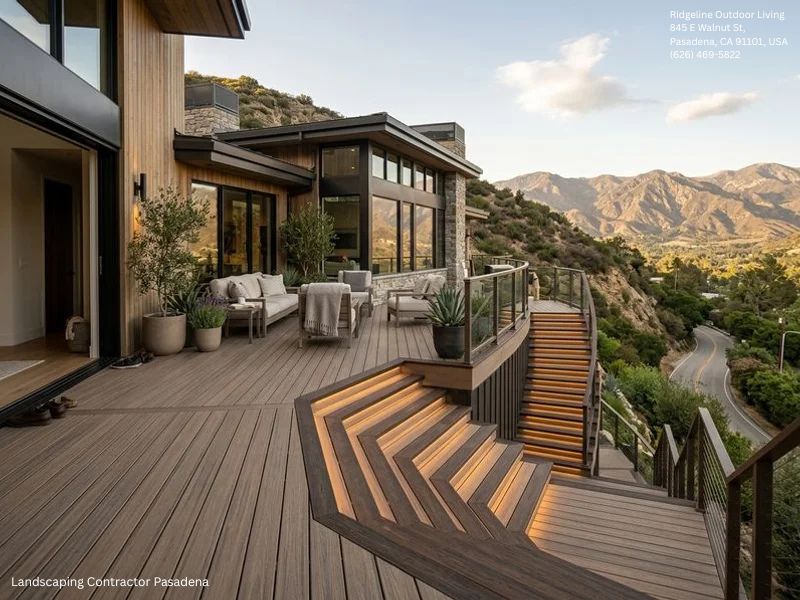
We often begin by mapping three paths: food from the house to the cook station, plates from grill to table, and guests moving between seating and the action. If the kitchen hugs the house, pass-through windows can shorten the trek. If the dining space sits farther in the yard, a second prep station with a small sink can be worth the plumbing. L shaped and U shaped islands work well when the chef needs a protected work zone, while straight runs with a return table suit narrow side yards. Avoid pushing a massive grill right up against a back wall without ventilation or side clearance. Heat, smoke, and grease need somewhere to go that is not your stucco.
When the yard will serve multiple roles, we plan in layers. A dining terrace on pavers or large-format porcelain provides the firm, cleanable surface a kitchen needs. Beyond it, a lounge corner with a linear fire pit adds evening draw, and shade from a pergola or covered patio cools summer afternoons. Los Angeles backyards transform when these zones feel connected but not cramped, a principle echoed in many of the 10 Outdoor Living Ideas Transforming Los Angeles Backyards.
Make utilities an early decision, not a late scramble
Appliances drive utility needs. Most premium grills in our market fall between 50,000 and 100,000 BTU. If you plan to add a side burner, pizza oven, or infrared sear, the line size must match peak demand. We typically run a dedicated gas line from the meter, stepping up to 1 inch when a layout calls for multiple appliances and long runs. Regulators and shutoff valves should be accessible without crawling inside a cabinet.
Electrical needs depend on lighting, refrigeration, and any 240 volt appliances. At minimum, plan for multiple GFCI protected 120 volt circuits, each with weather resistant receptacles placed in dry locations per code. Under counter refrigerators draw a steady load, while a full height beverage center or pellet grill adds spikes. Running a 240 volt circuit for a future electric cooktop or heater can be a small cost now that prevents a trench later.
Water and drainage follow function. If you install a sink, tie it into the sanitary line with a proper vent, not a surface drain. On remote patios where tying into the house line would mean excessive disruption, a sealed graywater tank with a pump may solve the lift and distance issue, though the permitting path is more involved. Even without a sink, plan a drain path under the island. Grease and rain will find their way down. A slab or paver base set with the right fall, a strip drain in front of the grill station, and a tie-in to a French drain build system redundancy. That is how you avoid the musty odor that ruins a beautiful island by year three.
Create a budget that matches the build, not a wish list
Los Angeles costs are driven by labor, permitting, and materials. Prices vary by season and access, but realistic ranges help shape choices.
Business Name: Ridgeline Outdoor Living
Address: 845 E Walnut St, Pasadena, CA 91101, United States
Phone: (626) 469-5822
Ridgeline Outdoor Living
Ridgeline Outdoor Living is a Pasadena-based landscape design-build company serving Greater Los Angeles with custom outdoor living, hardscape, and drought-tolerant landscape solutions. The company specializes in patios, retaining walls, outdoor kitchens, drainage, hillside projects, and turnkey landscape construction, handling projects from design and permitting through final build and warranty.
845 E Walnut St, Pasadena, CA 91101, USA
Business Hours:
- Monday – Saturday: 8:00 AM – 6:00 PM
- Sunday: Closed
Follow Us:
Here is a grounded snapshot we use when discussing scope with clients in the city and close suburbs:
- Core island and utilities: $18,000 to $30,000 for a 10 to 14 foot masonry island with stucco or stone veneer, cement board, poured or porcelain countertops, dedicated gas and electric, and basic drainage. Appliances: $6,000 to $25,000, spanning a quality 36 inch grill, side burner, vent, and under counter fridge on the low end, up to a 42 to 54 inch premium grill, pizza oven, warming drawer, and ice maker above. Shade and structure: $8,000 to $40,000 for a pergola in powder coated aluminum or wood with lighting, or a fully roofed pavilion with finished ceiling, heaters, and fans. Patio and finishes: $12,000 to $45,000 depending on area and material, from concrete with an integral color to porcelain or natural stone set on reinforced base. Those exploring 15 Paver Patio Designs Los Angeles Homeowners Love often select modular patterns that handle furniture well. Lighting, fire, and extras: $4,000 to $20,000 for integrated task lights, path and accent lighting, a fire pit for year-round entertaining, and audio.
Tight side yards, long utility runs, hillside engineering, or premium cladding can move totals upward. On the other side, a compact island with one gas appliance, a small fridge, and a simple paver terrace can land at the low end of the spectrum. If you are comparing broad options, our deeper piece on How Much Does an Outdoor Kitchen Cost in Los Angeles? Goes into allowances and line items that tend to surprise first time builders.
Choose materials that outlast the climate
California sun is relentless. Materials that look flawless in a showroom can chalk, split, or warp in a single summer. We tend to build islands with CMU block or welded steel frames skinned in cement board. They tolerate heat and resist movement. Stucco takes color well and ages gracefully. Thin stone veneer holds up with minimal sealing. For countertops, we specify porcelain slab, sintered stone, or honed granites rather than polished marbles. Porcelain resists heat and staining, a practical win for burger night and salsa spills.
On patios, the pavers vs stamped concrete debate is alive across the region. Stamped concrete can be cost effective for large areas but depends on curing and control joints for long term performance. Pavers, whether concrete or porcelain on pedestals, offer modular repair. When a wine glass chips a piece or a tree root lifts a corner, we can reset small sections without tearing out the slab. Paver Patios vs Stamped Concrete: Pros and Cons remains a useful lens as you weigh character, cost, and maintenance.
Along the coast, salt air and fog demand extra care. We specify marine grade stainless and powder coated aluminum for hardware and pergolas in Santa Monica and the South Bay. Inland locations see more thermal movement. Expansion joints and breathable sealers make the difference between a patio that stays flat and one that heaves or flakes.
Select appliances for how you cook, then add only what you will use
Appliances are where scope creeps. The market dazzles with features. You do not need all of them. Start with grill size. A 36 inch grill serves most families and small parties. Those who entertain ten or more frequently, or who cook indirect and direct at the same time, benefit from 42 to 54 inches. Choose fuel with eyes open. Gas is fast and clean. Charcoal adds flavor but lengthens prep and cleanup. Hybrid inserts and ceramic kamados live happily beside a gas grill if smoke is your priority.
What deserves a second look in Los Angeles are side burners for woks or paella pans, a pizza oven if you will use it weekly, a fridge for drinks, and sealed dry storage for paper goods. Ventilation is not optional under a cover. A hood with the right CFM, a capture area that actually matches the grill, and a duct path that does not choke make the difference between pleasant cooking and a smoke trap. We build for maintenance. Removable drip trays, accessible igniters, and hard lines placed to avoid heat zones turn long summer seasons into joy, not service calls. Our take on Outdoor Kitchen Trends Los Angeles Homeowners Are Choosing highlights the steady move toward fewer, better appliances that integrate with lighting and audio for whole-yard experience.
Provide shade and comfort without boxing in the sky
Summer afternoons demand shade. You have two main paths: pergolas and covered patios. Pergolas provide filtered light and air movement. With fixed louvers, they cast elegant patterns and cool a space just enough. With motorized louvers, they close against marine layer mist and open to the evening sky. Covered patios shield more completely and allow recessed lights, ceiling fans, and heaters. They cost more and require more structure, but they also extend use deep into December. Pergolas vs Covered Patios: Which Is Right for Your Home? Often turns into a conversation about prevailing winds. Santa Ana events can push smoke in one direction for hours. An open sided solution on the leeward edge of a yard can cook clean while still protecting the chef from sun.
Let hardscape carry the room
Kitchens live on patios. Shape, texture, and color do heavy lifting, especially at night. We use large format porcelain tiles in 24 by 48 and 32 by 32 on many urban projects. The scale rests furniture visually and reduces grout. In more rustic settings, tumbled concrete pavers and banding add warmth. Curving edges near a pool soften the view, while straight lines with saw cut joints suit modern homes. If you are exploring 15 Luxury Hardscape Ideas for Southern California Homes, consider inlays that align with the grill island or a change in texture between cooking and lounging zones to guide movement naturally.
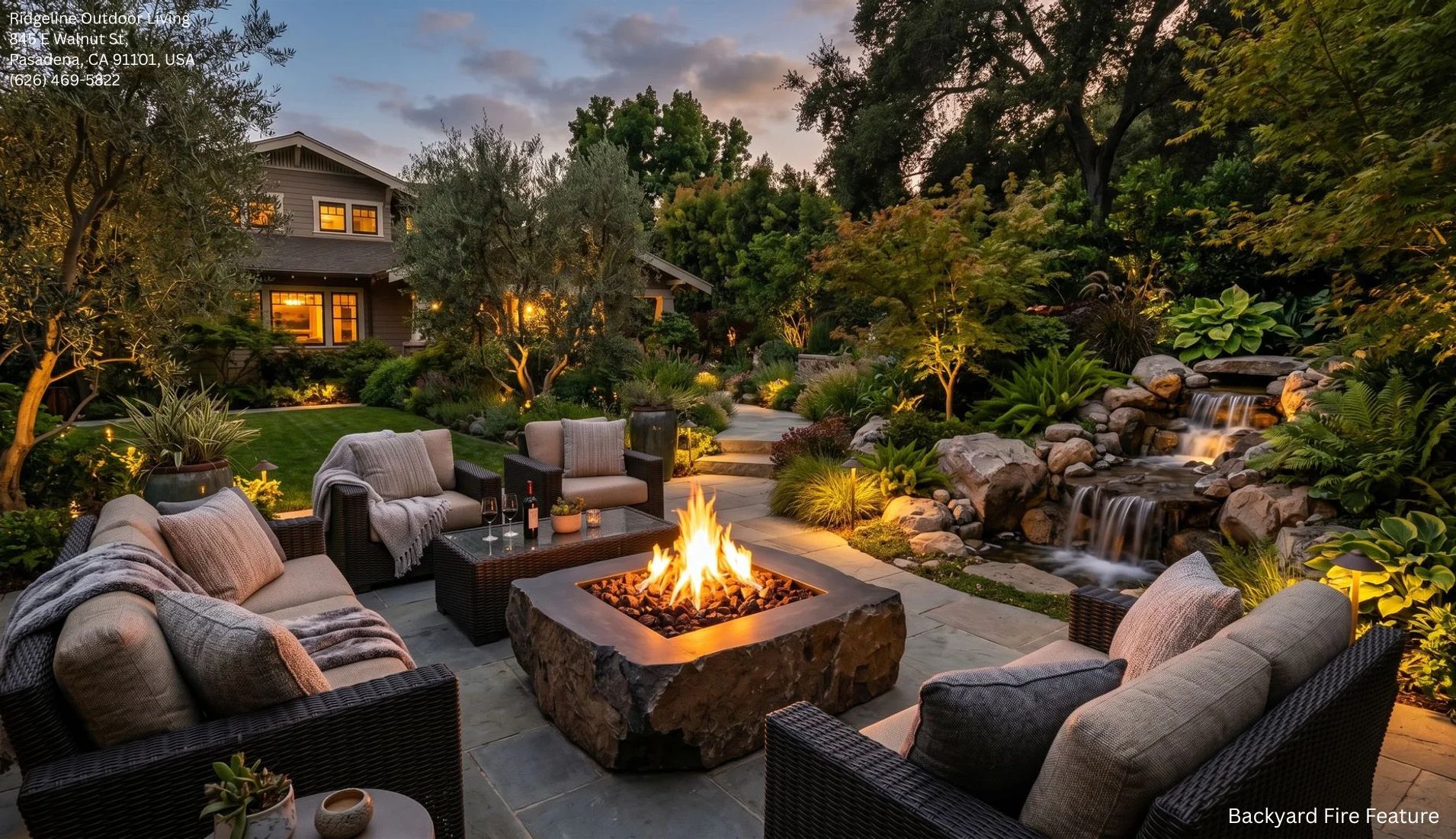
Good patios solve problems too. Proper bases and edge restraints keep surfaces tight. Where slopes demand it, low seat walls double as grade breaks and extra seating. On hillside lots, we often pair retaining walls for hillside properties with planters that bring drought tolerant plants close to the action. That approach ties structure with life while calming erosion.
Light the work, then layer the mood
Lighting does more than make the patio look pretty. Task lighting at the grill and prep area prevents undercooked chicken and cuts to the thumb. We recess slim LED bars into pergola beams or place shielded fixtures under counter overhangs. Path and step lights take over as guests move to the dining table or fire pit. A handful of accent lights pull depth from trees and architectural planes.
What you avoid matters too. Glare bombs ruin evenings. We see them under-eave floods aimed at eye level. Refine angles and lower color temperatures to 2700 to 3000 K. That keeps skin tones warm and meals appetizing. For more, our guide to 10 Outdoor Lighting Ideas for Los Angeles Landscapes pairs well with a quick read on 10 Outdoor Lighting Mistakes That Reduce Curb Appeal.
Drainage is not a footnote
Los Angeles can go weeks without rain, then drop an inch in an afternoon. Kitchens that ignore water lose quickly. Counters need drip edges and a slight fall away from walls. Islands require weep paths so that blown rain or hose water does not sit inside commercial landscapers Pasadena cabinets. Patios should hold a steady 1 to 2 percent slope toward drains. If your lot already shows puddles or damp fence lines, address them first. French Drains Explained: Protecting Your Property From Water Damage is not idle reading in our region. Ties into hardpipe, catch basins at downspouts, and daylight outlets set above the public sidewalk grade build resilience. How to Solve Common Yard Drainage Problems and 10 Signs Your Yard Needs Better Drainage both point to the same truth: it is cheaper to engineer water now than to rebuild cabinets later.
Plant for shade, scent, and very little water
Planting turns a kitchen from a station into a room. In a dry climate, success means fitting beauty into a water wise plan. Mediterranean herbs do double duty. Rosemary, thyme, and oregano thrive in heat and flavor grilled food. Agaves and aloes provide sculptural form without drip line tantrums. Ornamental grasses move in the evening breeze, and olives or arbutus offer dappled shade. The Ultimate Guide to Drought-Tolerant Landscaping in Los Angeles and The Best Drought-Tolerant Plants for Los Angeles Yards share wide palettes. If you prefer green year round without mowing, the Artificial Turf vs Sod debate leans toward turf for small side yards near kitchens, purely for cleanup and consistency. It drains predictably and resists traffic, a win next to a bar where drinks will inevitably spill.
Understand permits, inspections, and realistic timelines
Expect permits for gas, electric, and drainage tie-ins. In the city, simple islands with surface mounted electric and a prefabricated grill can pass over the counter, but most complete kitchens move through plan check. If you add a roofed structure or connect to sanitary sewer, plan on drawings and inspections at rough-in and final. Timelines vary. Straightforward builds run six to eight weeks from groundbreaking, weather and inspections permitting. Complex hillside work with walls, engineered footings, and pavilions can run 12 to 20 weeks. Lead times on appliances still fluctuate. We reserve models early once the layout locks to keep the schedule predictable.
Build in a clean sequence
Construction succeeds when the order respects structure, utilities, and finishes. Even on compact projects, we plan the following five stages and hold to them:
- Prep and base: Demo, excavation, base compaction, and rough patio grading set the field. Utilities rough-in: Trench and install gas, electric conduits, water, and drains with inspections. Structure: Build island frames, footings for shade structures, and any retaining or seat walls. Hardscape and surfaces: Set pavers or porcelain, pour or place countertops, veneer, and stucco. Fixtures and finish: Install appliances, lighting, heaters, and final plantings, then test and tune.
Rushing any of these steps often leads to rework. For example, setting countertops before utilities are inspected invites a painful tear out if a line fails pressure testing.
Lessons from two very different backyards
In Mar Vista, a family of four wanted weeknight grilling and weekend pizza without swallowing their yard. The side yard, a sliver at just over 9 feet wide, became the spine. We designed a straight 12 foot island in CMU with porcelain slab counters and a 36 inch grill, a two burner hob, and a slim 24 inch fridge. A stucco finish matched the home, banded with a thin limestone veneer strip at seating height. Utilities tapped directly off the house, so trenching was short. Overhead, a powder coated aluminum pergola with motorized louvers allowed winter use and quick smoke control. The patio used 24 by 48 porcelain tiles on a permeable base that sent water to a narrow channel drain at the property line. The budget landed in the low 40s, the footprint stayed tight, and dinners moved outside five nights a week.
In Sherman Oaks, an entertainer’s yard wrapped around a pool. The client hosted extended family monthly and needed both capacity and flow. We carved three terraces into a gentle slope. The upper terrace held a U shaped kitchen with a 42 inch grill, side burner, pellet smoker, and 30 inch beverage center. A masonry back wall carried a linear hood under a cedar clad roof with fans and heaters. The middle terrace formed a large dining area with modular concrete pavers and a low wall that doubled as seating. The lower lounge hugged a long fire feature. Drainage tied into existing lines, reinforced with a new French drain at the uphill property edge. Planting leaned Mediterranean with olives, lavender, and Mexican feather grass. The project took sixteen weeks, in part due to long lead items and pavilion inspections, and it stands as a case study in How Ridgeline Outdoor Living Creates Functional Outdoor Living Spaces.
Avoid the pitfalls that shorten a kitchen’s life
Common mistakes repeat across neighborhoods. Oversizing the grill chews counter space and creates dead zones. Underestimating prep area leaves the chef juggling trays. Ignoring ventilation under a roof introduces smoke staining and headaches, literal and otherwise. Placing a fridge in direct western sun bakes compressors. Skipping a proper base under pavers or pouring thin concrete on marginal soil invites settlement. Each of these has a known remedy. A measured layout, appliances scaled to use, hoods and air paths sized to the grill, shade planning that protects equipment, and a base built to spec all put longevity on your side.
Think beyond the kitchen box
An outdoor kitchen rarely stands alone. A small fire pit nearby extends the night and carries conversation while the cook checks a roast. If you have room, a water feature on the far edge adds sound and cools the air subtly, one of the 12 Water Feature Ideas for Luxury Los Angeles Backyards that can elevate a space without risking spray near a grill. If your home sits on a slope, a short run of seat walls shapes terraces and cures erosion. When you look at 10 Hardscaping Features That Increase Property Value, outdoor kitchens, quality patios, lighting, and simple fire features appear consistently. They deliver both daily use and resale credibility.
Keep maintenance simple and scheduled
Outdoor kitchens work hard. A light maintenance rhythm keeps them ready. Wipe counters with pH neutral cleaner, not acidic stone killers. Brush and cover grills after high heat burns. Empty grease trays before they overflow. Rinse and clear channel drains before the first fall rain. Every six months, check caulks, tighten hardware, and inspect GFCI outlets. Once a year, reseal porous stone, oil wood elements if applicable, and test gas connections with soapy water. This is not fussy upkeep. It is the kind of attention that makes a kitchen feel new five, eight, ten years in.
When to bring in help, and how to choose the right team
Homeowners can lead design if they enjoy it, but coordination between trades determines the result. A single design-build contractor simplifies responsibility for grading, utilities, masonry, carpentry, and finishes. When you interview firms, ask the 10 Questions to Ask Before Hiring a Landscape Contractor. Look for clear scopes, permitting experience in your jurisdiction, appliance lead time planning, and a frank conversation about budget ranges. Visit a current jobsite. Cleanliness, labeled conduits, and stacked materials speak volumes about process.
A final word on fit and feel
Good outdoor kitchens are less about bragging rights and more about moments. Coffee before school in the fall when the air still feels like summer. Late dinners after a game under warm light. A friend rolling dough beside you while the oven climbs. A space that works becomes part of your family’s rhythm. The decisions in this guide, from drainage details to grill selection, lead to that kind of ease.
If you want to go deeper on adjacent choices, explore Designing the Perfect Outdoor Dining Space, Outdoor Kitchen Features That Are Worth the Upgrade, and 12 Outdoor Living Features That Add the Most Value. When you are ready to map your own yard, Ridgeline Outdoor Living’s Guide to Outdoor Kitchen Design pairs with a site visit to turn ideas into a plan that fits your home, your budget, and the way you live.