Backyards in Los Angeles work hard. They host family dinners, quiet weekday mornings, game nights that stretch past sunset, and the kind of casual gatherings that make a house feel like a home. Over two decades designing and building outdoor spaces across the region, landscaping guides our team at Ridgeline Outdoor Living has learned which investments repay you with daily utility, lower maintenance, higher property value, and stronger curb appeal. The right moves do not just look good in photos. They make your life outside easier and more enjoyable, and they age well in California’s strong sun and episodic rain.
What follows is a practical guide to ten upgrades we regularly recommend because they deliver. The details vary by site, style, and budget, yet the throughline is simple. Pick durable materials, solve functional problems first, and shape spaces to how you live, not just how the yard looks from the kitchen window.
1. A Paver Patio That Sets the Stage
A well built paver patio anchors everything else. It defines circulation, creates seating zones, and provides a clean, level surface for furniture and cooking. In Los Angeles, where clay soils swell and contract, interlocking pavers outperform a monolithic slab because the system moves microscopically without cracking. When a tree root pushes up or a sprinkler line needs repair, we can lift and relay a few units rather than demo and replace a whole section.
The visual range is tremendous. Contemporary homes often suit large format porcelain or concrete pavers with tight joints and a restrained palette. Spanish and traditional properties take to tumbled stone or mixed colors that echo roof tiles. If you are hunting inspiration, look at portfolios titled along the lines of 15 Paver Patio Designs Los Angeles Homeowners Love. You will notice how thoughtful edging and soldier courses frame each surface, keeping sands and soils out and the pattern crisp.
Clients often ask about paver patios vs stamped concrete. Stamped can mimic stone at a lower upfront cost. The challenge shows up five to eight years later when sealer flakes, color fades, or hairline cracks wander across a focal area. Pavers typically cost more on day one but hold their color and allow painless spot repairs. If you are prioritizing long life and resale, pavers win the pros and cons discussion more often than not.
Business Name: Ridgeline Outdoor Living
Address: 845 E Walnut St, Pasadena, CA 91101, United States
Phone: (626) 469-5822
Ridgeline Outdoor Living
Ridgeline Outdoor Living is a Pasadena-based landscape design-build company serving Greater Los Angeles with custom outdoor living, hardscape, and drought-tolerant landscape solutions. The company specializes in patios, retaining walls, outdoor kitchens, drainage, hillside projects, and turnkey landscape construction, handling projects from design and permitting through final build and warranty.
845 E Walnut St, Pasadena, CA 91101, USA
Business Hours:
- Monday – Saturday: 8:00 AM – 6:00 PM
- Sunday: Closed
Follow Us:
On size, think in furniture footprints. An eight by ten pad might handle a small bistro set, but it pinches a six seat dining table. We often plan 300 to 500 square feet for a main patio and let secondary pads host lounges or a grilling station. Do not forget lighting and power in the layout. Running conduit under the patio saves a lot of headache later.
2. An Outdoor Kitchen Planned Like a Real Kitchen
Done right, an outdoor kitchen becomes the hub of weekend life. Done poorly, it turns into an expensive shelf. The difference comes down to workflow, ventilation, materials, and honest budgeting. The question How Much Does an Outdoor Kitchen Cost in Los Angeles can be answered with a range, but the spread is wide because of equipment and finishes.
For planning, we coach clients to start with how they cook. If your weeknight go to is grilled vegetables and salmon, a reliable grill, counter space, and task lighting outrank a pizza oven. Entertainers who love long, slow cooks may prioritize a smoker, a bar sink for quick rinses, and built in refrigeration.
Here is a concise way to shape scope and cost in Los Angeles:
- Core equipment and structure: a quality 36 to 42 inch grill, vented storage, and 8 to 12 linear feet of island typically run 12,000 to 25,000 depending on brand and finish. Utilities: trenching and running gas, electrical, and water often add 4,000 to 12,000, driven by distances and panel capacity. Surfaces: porcelain slab, Dekton, or high grade granite counters range 80 to 180 per square foot installed, with details like waterfall edges increasing costs. Upgrades: refrigeration, ice makers, side burners, and a pizza oven can add 3,000 to 20,000, with masonry pizza ovens at the high end. Shelter and comfort: a pergola or covered patio, heaters, and fans typically add 8,000 to 40,000, which transforms usability across seasons.
Materials must shrug off UV and heat. We specify non combustible frames, either welded steel or CMU block, and finish with porcelain, stone, or stucco. Stainless appliances hold up best. If you are near the coast, we favor marine grade options.
A tight triangle of grill, prep, and serving prevents traffic jams. Clearances matter. Leave at least 24 inches of counter space on each side of a grill, 48 inches behind bar seating, and a safe buffer to seating areas. Ridgeline Outdoor Living’s Guide to Outdoor Kitchen Design goes deeper into these details, but those numbers serve most backyards well.
3. A Fire Feature That Works Year Round
A fire pit or linear fireplace extends the evening and draws people together. There is a reason 12 Backyard Fire Pit Ideas for Entertaining Year Round articles keep circulating. In our climate, the right setup sees weekly use from October through April and still earns its keep on a June night when the marine layer drifts over.
Gas is the default for ease and local code compliance. Hard piping to a stub with a key or electronic ignition saves you from swapping propane tanks and dancing with lighters when guests are waiting. We size seating to fit how you host. A 5 foot round pit suits four to six comfortably. Linear fire features pair well with sofas and a cocktail table. We keep at least 36 inches between the fire edge and chairs to avoid roasted shins.
Put thought into wind and views. If your yard opens to city lights, a low linear burner will not block sightlines. In a breezy canyon, a taller back on a fireplace can act as a wind screen and reflect heat back to the seating. And do not overlook finishes. Black lava rock gives a rugged look, while glass media reads more modern. If you prefer a natural vibe, cast concrete bowls with a sandblasted finish strike a great balance.
4. Drought Tolerant Landscaping That Is Truly Low Maintenance
The Ultimate Guide to Drought Tolerant Landscaping in Los Angeles would span volumes because microclimates and soils vary, but the core principles are consistent. Start with grading and drainage, group plants by water needs, and use a high quality drip system with pressure regulation and filters. Then select plants that like your yard’s specific sun, heat, and wind.
We reach for a palette that earns its keep. The Best Drought Tolerant Plants for Los Angeles Yards include manzanita varieties for sculptural form, Westringia for hardy hedging, lomandra for green texture that stays tidy, salvia and penstemon for pollinators, and olive or Arbutus for small evergreen trees that do not drop messy seed pods. Groundcovers like dymondia or thyme knit things together between pavers or along edges.
Mulch does more than look finished. A three inch layer of chipped wood cuts evaporation and suppresses weeds. In high heat zones, gravel or decomposed granite can replace mulch around cacti and aloes to prevent rot. We avoid lush lawns except where they are actively used. If you must have a green panel, a small, well edged area irrigated by MP rotators and aerated annually performs better than a blanket of turf across the yard.
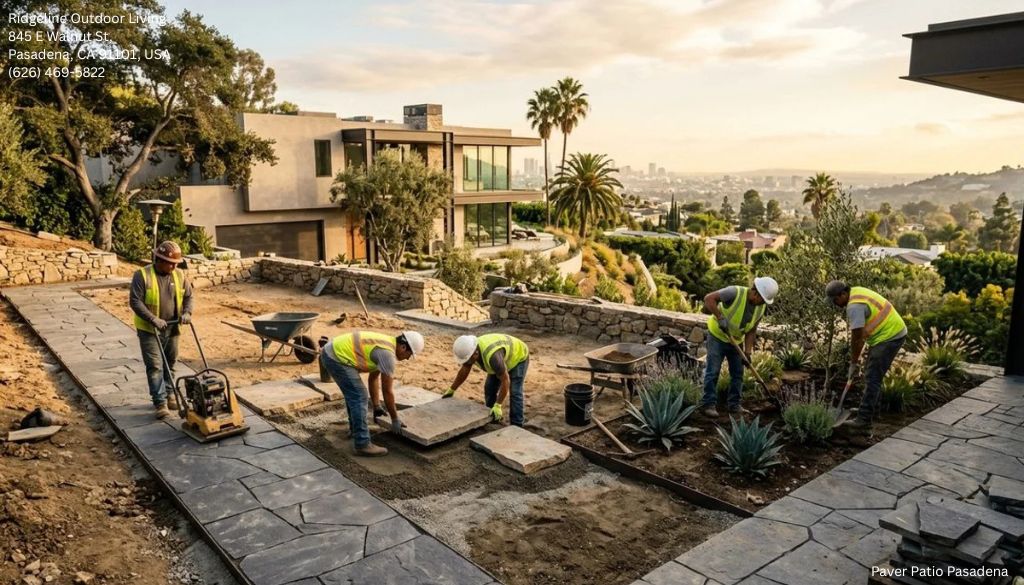
Why Drought Tolerant Landscaping Is a Smart Investment is not just about water bills. In resale conversations, buyers value low maintenance, and HOAs increasingly reward smart planting. Expect front yard turf conversions to earn higher ROI than backyards, yet both help if they harmonize with the architecture and hardscape.
5. Lighting That Makes Spaces Feel Designed, Not Flooded
Poor lighting can undo beautiful work. The trick is layered, warm illumination that defines paths, highlights specimen plants or stone, and makes faces look good around the table. Articles about 10 Outdoor Lighting Ideas for Los Angeles Landscapes often show the same pattern: path lights at 20 to 30 foot intervals, subtle wall washing, a few uplights on trees, and bistro strands for atmosphere. That is a fine start, but the nuance lies in placement and color temperature.
We keep color around 2700 to 3000K to avoid a bluish cast. Brass or powder coated aluminum fixtures hold up. Oversized bollards and glaring floods read like a parking lot. If you have stairs, we prefer integrated step lights that cast a soft rake instead of portable fixtures you will trip over. For dining, dimmable overheads or catenary lights with warm LEDs create the glow you want on a face at nine in the evening.
If you have seen 10 Outdoor Lighting Mistakes That Reduce Curb Appeal, you will recognize a few pitfalls. Avoid hot spots on walls, light trespass into neighbor windows, and fixtures set too high. Run separate zones for path, accent, and task lights so you can dial each scene to suit the night. And run spare conduit under hardscapes for future tweaks. As habits change, lighting should be easy to adjust.
6. Artificial Turf Where It Makes Sense, Living Green Where It Matters
Artificial Turf vs Sod is not a moral debate. It is a site and use case decision. In Los Angeles, artificial turf excels in small, high traffic areas where natural grass struggles, such as side yards used for kids’ sports or dog runs that turn to mud. Modern infills stay cooler than crumb rubber, and proper sub base with drainage channels prevents odors. It is also a boon around pools where you want a clean edge without mower clippings in the water.
Sod still wins for barefoot comfort in larger play areas and for biodiversity. It cools the microclimate and supports soil life. The tradeoff is water, mowing, and seasonal color dips. In coastal zones with summer fog, fescue blends can do well with modest irrigation. Inland valleys push warm season grasses hard, which bumps water demand.
Artificial Turf Installation: Everything Los Angeles Homeowners Should Know starts with excavation, base compaction, and seam quality. We set realistic expectations. Turf gets hot in direct sun, and its life expectancy is roughly 12 to 18 years depending on brand and exposure. If you host dogs, pick antimicrobial backing and a permeable base. If you love the feel of real lawn underfoot, keep a smaller patch and frame it with low water planting.
7. Retaining Walls That Solve Problems and Add Beauty
On hillside properties, retaining walls are not a luxury. They make the yard usable and protect the home. Retaining Walls for Hillside Properties: What Homeowners Need to Know starts with soils. Clay lenses and fill behave differently than native decomposed granite. A soils report and engineered plans are not red tape. They are the map that keeps you on solid ground.
We design walls to do two jobs. First, hold back soil safely with proper footing, drainage fabric, and weep holes. Second, integrate seating, planters, or steps so the wall becomes part of the living space. Segmental block systems install quickly and perform well when engineered and drained correctly. For higher end projects, cast in place concrete faced with stone or smooth stucco disappears into the architecture.
Expect permitting if you build above certain heights or near property lines. Tie backs or geogrid may be required for tall walls. If you want a curved amphitheater feel around a fire feature, we might stack a series of 18 to 24 inch terraces rather than one tall face. The Complete Guide to Retaining Walls in Los Angeles would also stress waterproofing where walls meet structures and the importance of keeping surface water from sheet flowing over the top. Those details separate walls that last from those that stain and crack.
8. Drainage That Works Even When It Pours
A dry winter can lull homeowners into thinking their yard drains fine. Then an atmospheric river parks over the city and suddenly the patio is a shallow pond. How to Solve Common Yard Drainage Problems is one of the most valuable conversations we have because water management protects structures, hardscapes, and plantings.
French Drains Explained: Protecting Your Property from Water Damage is essentially this. A perforated pipe in a gravel trench collects subsurface water and moves it to a safe discharge point. Add a fabric wrap to keep fines out. Tie roof downspouts to solid pipe and route away from footings. Add catch basins at low spots and where hardscapes meet planting. We slope patios and walks at roughly 1 to 2 percent so water moves without feeling like a ramp.
If you see any of the 10 Signs Your Yard Needs Better Drainage, act before the next storm. Soil against the house that never dries, efflorescence on walls, puddles that linger for more than 24 hours, and muddy tracks through a side yard are not small annoyances. They are early warnings. The fix usually costs less than repairing heaved pavers, rotted sill plates, or a moldy garage.
9. Shade Structures That Actually Cool the Space
Shade is comfort. Pergolas vs Covered Patios is a debate of lightness versus full weather protection. A pergola with adjustable louvers cools the midday sun and breathes in the evening. A solid roof with insulation and integrated lighting turns a patio into a true outdoor room. Why Los Angeles Homeowners Are Investing in Custom Pergolas often comes down to aesthetics and flexibility, yet the decision is easier if you weigh a few specifics.
Use this quick checklist to clarify direction:
- Sun and exposure: if western sun blasts the space, a solid roof with side screens outperforms open slats. Adjacent rooms: a covered patio with fans and heaters extends a family room, while a pergola suits a freestanding lounge or dining zone. Utilities and height: tying a roof into the house may require structural upgrades, whereas a freestanding pergola places fewer loads on the home. Budget and permits: pergolas typically permit faster and cost less, while covered patios involve roofing, gutters, and more substantial footings. Style and resale: modern homes take to clean steel or aluminum pergolas, while traditional architecture often blends best with a tiled or shingle covered extension.
We often blend the two. A louvered pergola that closes in rain gives the best of both worlds, especially paired with outdoor kitchen trends Los Angeles homeowners are choosing, like built in heaters above a bar or ceiling fans over a lounge. No matter the choice, plan lighting scenes and switches so you can set bright task light for cooking, soft perimeter light for dining, and overhead wash for clean up.
10. Water Features That Feel Luxurious Without Wasting Water
Water calms a busy mind. The trick is designing a feature that reads as luxury without gulping resources. 12 Water Feature Ideas for Luxury Los Angeles Backyards often highlight sheers that pour from a wall into a pool, basalt column fountains that bubble gently, and rills that thread along a path. The common denominator is recirculation through a well sized pump and a basin that prevents splash loss.
If you have a pool, we can retrofit scuppers or a raised beam with split faced stone and sheet flows. For stand alone pieces, a 3 by 3 foot hidden basin under pebbles supports a sculptural urn or stainless steel weir. The sound can be tuned. A taller fall hits the water harder and brightens the note. A bubbler whispers. Place features where you can hear them from inside, not just the far corner of Check out the post right here the yard.
Evaporation is real in summer, so we place features where wind is blocked and consider auto fills. Lighting transforms water at night. A soft wash on a textured wall with a narrow beam on the stream creates a layered effect. Maintenance is straightforward if you include a leaf screen and accessible pump vault. Treated properly, the monthly water and power use stays modest.
Where Driveways and Curb Appeal Meet Value
While not a backyard space, the driveway frames the approach to your yard and sets expectations. The Most Popular Driveway Materials in Los Angeles are interlocking concrete pavers, exposed aggregate concrete, and decomposed granite stabilized with resin. Each has a look and a feel underfoot. If you enjoy browsing 15 Driveway Paving Ideas to Improve Curb Appeal, notice how edging, apron details, and lighting do as much work as the field material.
Driveways tie into drainage. We slope away from the garage and add trench drains where needed, then carry that water to a drywell or curb with appropriate permits. If you are already investing in backyard upgrades, coordinating driveway materials and colors with patio hardscapes creates a polished whole.
Designing for Entertainment Without Turning the Yard Into a Theme Park
Backyards that host well have a cadence. Arrival path, welcome spot, food and drink zone, conversation clusters, and a quieter corner for phone calls or a breather. 12 Backyard Entertainment Features Every Homeowner Should Consider can tempt you to add everything, from sunken lounges to TVs. The better approach is to right size features to your guest count and style.
We like a main dining area near the kitchen access, but not blocking the cook. A secondary lounge around the fire eases overflow and late night talk. Music integrated into the lighting control keeps volume even across the yard so neighbors do not get the brunt. If you crave a resort vibe, look at 10 Ways to Create a Resort Style Backyard at Home and borrow selectively. A pergola daybed or a pair of chaises by a small plunge pool sets the tone without overbuilding.
Budgeting, Phasing, and Value
Clients often ask What Does Hardscape Construction Cost in Los Angeles. Ballpark figures help, but the smarter lens is value over time. Hardscaping, outdoor kitchens, and shade structures are 10 Hardscaping Features That Increase Property Value precisely because they endure and expand usable square footage. Plantings grow and change, which is a gift, yet they should be planned around the bones you will not move.
Phasing is your friend. Start with grading, drainage, and primary hardscapes. Add utilities stub outs for future features. Then install the core living zones you will use immediately. Secondary features, like a water wall or a pizza oven, can follow next year. This avoids rework and keeps momentum. It also lets you live in the space and refine plans. We have seen countless projects improve when a homeowner realizes the afternoon wind pushes them to a different corner, or the family dog has claimed a shady spot that now wants a bench.
How Design Build Keeps Costs in Check
How Ridgeline Outdoor Living Approaches Design Build Landscaping is simple at heart. One team designs, engineers, permits, and builds. That continuity protects details. A designer who has stood on muddy hillside forms will draw a retaining wall differently than one working only on paper. A foreman who knows the lighting plan by heart will run conduit exactly where it needs to be. Why Professional Landscape Design Saves Time and Money is not a slogan. It is what happens when decisions about waterproofing, slopes, and utilities live in the same room as decisions about stone color and planting texture.
If you are interviewing firms, keep a short list of 10 Questions to Ask Before Hiring a Landscape Contractor. Ask who pulls permits, who will be on site daily, what warranties look like, and how change orders are handled. Clear answers early make for a smoother build.
A Note on Pools and the Spaces Around Them
If a pool is part of the plan, view it as a room, not a sculpture dropped in the yard. How to Design a Backyard Around Your Swimming Pool begins with safety and circulation, then expands to lounges, shade, and storage. Pool Landscaping Ideas for Los Angeles Homes often favor porcelain pavers on pedestals for cool feet and clean lines, drought tolerant planting that will not litter the water, and a mix of sun and shade for long afternoons. Tie skimmer lids and equipment screens into the design so the technical parts disappear.
Putting It All Together
The projects that feel effortless rarely are. They are the sum of choices that respect the climate, the house, and the way you live. A paver patio that will not heave, an outdoor kitchen sized to how you cook, a fire feature that actually warms you in February, and planting that looks good in August without heroic watering. Layer in lighting that flatters faces and guides feet, manage water so storms do not surprise you, and choose shade that turns a hot afternoon into a pleasant one.
If you are just starting, walk your yard at sunrise, noon, and an hour after sunset. Notice where you squint, where you linger, and where water sits after a rare rain. Jot a wish list, then edit it down to the items that would change your daily routine. The 10 Backyard Upgrades Worth the Investment are the ones you will use without thinking. When a friend steps into your yard and immediately settles into a chair with a smile, that is the return that matters most. And when the appraiser arrives, tidy edges, durable materials, and functional spaces do their quiet work in the background.
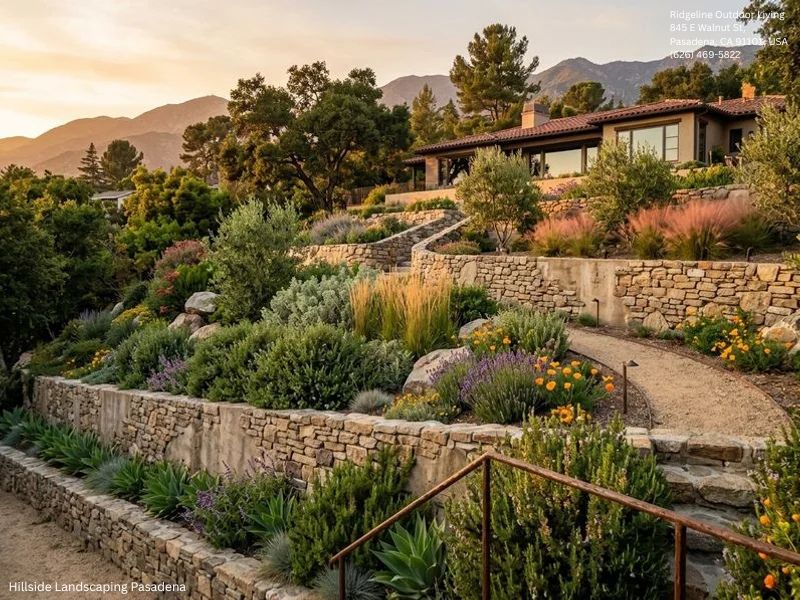
Ridgeline Outdoor Living designs and builds with that long view. Whether you are aiming for 15 Luxury Hardscape Ideas for Southern California Homes or simply a comfortable place to share tacos with neighbors, the principles above will steer you well. When the bones are right, the rest is easy.