Los Angeles does not forgive wasteful landscapes. We garden on a Mediterranean cycle of long, dry summers and short, sometimes violent winters. The coastal plain, basin, foothills, and canyon microclimates create dramatic differences within a few miles. Some backyards bask in reflected heat with no afternoon shade. Others perch on decomposed granite slopes that shed water in minutes. Designing drought-tolerant landscapes here is not a trend, it is basic competence.
What follows is a practical guide built from hundreds of Los Angeles yards that Ridgeline Outdoor Living has planned, graded, and planted. The aim is simple: reduce water demand without giving up comfort, style, or value. Done well, you get a space that feels cool underfoot in August, sheds the first inch of rain in January without puddles, and welcomes family and friends in every month of the year.
Start with climate, water, and the shape of your site
Two numbers matter at the conceptual stage. Rainfall averages 12 to 18 inches a year across the metro area, most of it between November and March. Evapotranspiration in summer commonly exceeds a quarter inch per day. That imbalance is why shallow watering schedules fail. It is also why plant density, mulch depth, and shade planning pay off for years.
Sightlines and slopes come next. A yard that looks flat often has a 1 to 2 percent fall to one corner. On a hillside lot in the San Fernando Valley, that fall can hit 20 percent in a single run. The grade dictates where water wants to move. Harness it with subtle swales and well placed drains, and your garden survives with half the irrigation of a similar design that fights the terrain.
Soil types across Los Angeles vary widely. Beachside sands drain like a sieve. Mid City clays hold water and can suffocate new roots after winter storms. Most inland neighborhoods sit on alluvial mixes that need organic matter to hold moisture through summer. A quick jar test and a shovel tell you more than a lab report when deciding how much compost to work in and whether a plant will tolerate your native pH.
A brief framework: how drought-tolerant design actually saves water
Drought tolerant does not mean cactus and gravel from fence to fence. In practice, the most comfortable and efficient LA landscapes combine five moves.
First, organize plants into hydrozones. Keep low water Mediterranean and California native species together, and group any higher water uses, such as herbs or a small turf play area, near the house where microclimates are cooler and irrigation oversight is easier. Second, shade hardscape wherever possible. A pergola, canvas shade, or a small tree over pavers drops surface temperatures by double digits and reduces surrounding plant stress. Third, water by drip or efficient low precipitation nozzles, not by overhead spray. Fourth, trap the moisture you apply. Organic mulch at three to four inches, plus soil improvement where appropriate, buffers extremes. Fifth, favor permeable surfaces. Pervious pavers and gravel joints let brief winter rain infiltrate instead of racing to the curb.
These principles sound simple. They only work, though, if you start with a careful read of the actual yard in front of you.
A fast, field tested site assessment
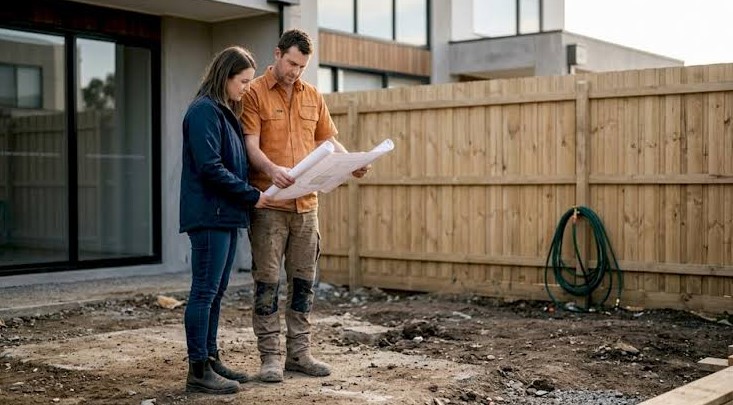
Walk the property after 3 p.m. When walls and paving have soaked up heat. Notice glare, reflected heat, and afternoon shade lines. Ask how water moves in a storm. Then ground your plan with a handful of essentials.
- Document sun and shade by zone at three points in the day. Probe soil in at least three places and note texture, compaction, and drainage. Identify slopes, low spots, and where runoff currently collects. Inventory existing trees, their drip lines, and root zones worth protecting. Locate utilities, property lines, and setbacks that affect grading, walls, or pergolas.
Those five notes determine your irrigation approach, plant palette, and where you might need a retaining wall or a French drain. They also help you avoid classic missteps like placing a manzanita under a lawn sprinkler or burying a new olive in a winter sump.
Choosing plants that thrive here
Los Angeles offers a broad palette beyond succulents. California natives from coastal sage scrub and chaparral communities do well when you match their sun and soil. Mediterranean, South African, and Australian species bring similar drought tolerance and complementary textures. We regularly design with a mix so the garden looks good in every month and resists pests without chemical crutches.
Selection should start with the structure plants. Trees and large shrubs give you shade, privacy, and wind breaks. Smaller shrubs and perennials add seasonal rhythm and pollinator support. Groundcovers knit the design together and suppress weeds. Build layers, but space generously. Young drought tolerant plants benefit from deeper but less frequent watering. If you overplant, everything fights for the same moisture and summer becomes a triage exercise.
Here are five dependable, water wise choices that fit most LA microclimates with the right placement.
- Arbutus ‘Marina’ for a small tree with dappled shade, peeling bark, and minimal litter. Cercis occidentalis, the California redbud, for spring color and modest water use when established. Salvia ‘Pozo Blue’ or ‘Allen Chickering’ for aromatic, long blooming backbone shrubs. Lomandra longifolia cultivars as tough, tidy evergreen grasslike accents that handle heat. Ceanothus ‘Yankee Point’ or ‘Ray Hartman’ for fast, glossy evergreen coverage and spring bloom.
We often round these out with manzanita, olives, desert museum palo verde, westringia, dwarf coyote brush, rosemary, kangaroo paw, and blue fescue. The Best Drought-Tolerant Plants for Los Angeles Yards tend to share a pattern: resinous foliage, gray or small leaves, and growth habits adapted to dry summers. Expect them to need regular irrigation the first season, then less in the second, and only deep monthly watering in summer by year three.
Irrigation that matches the palette
Spray irrigation wastes water in LA’s dry air and light afternoon breezes. Drip is the workhorse for shrub and perennial zones. We run individual emitters at 0.5 to 2 gallons per hour depending on soil and plant size. Inline drip at 0.6 gallons per hour on 12 or 18 inch spacing works for evenly planted beds. For any small turf or meadow areas, consider matched precipitation rotary nozzles that deliver a consistent, slow rate.
Smart controllers are worth their small premium. Units that reference local weather, such as those approved by Metropolitan Water District, adjust schedules for heat waves or cool spells without your intervention. The city and water agencies often offer rebates for these controllers, and for converting spray zones to drip. Turf replacement rebates have at times ranged from 3 to 5 dollars per square foot, subject to current programs and documentation. Check LADWP and SoCalWaterSmart before you start demolition, not after.
Run times should aim for depth, not frequency. In summer, most drip zones benefit from two deep waterings per week, while the city restricts days. In winter, plants often need nothing, especially after storms. The exception is new installations in sandy soils, which dry quickly. Use a simple soil probe. If it slides in easily and comes out cool two to four inches down, wait another day.
Soil health, mulch, and weed control
Two inches of compost incorporated into planting areas with poor structure gives roots a fighting chance and reduces the total water you need to apply. Do not mix compost into native clay beyond the top few inches or you risk creating a perched water table. On heavy soils, it is often smarter to build mounds and plant high, then mulch generously.
Mulch is nonnegotiable. Three to four inches of arbor mulch or shredded bark cuts evaporation, evens out soil temperature, and starves weed seeds of light. Keep mulch pulled back a few inches from crowns and trunks. We avoid woven weed fabrics under mulch in most planting areas. They rarely stop aggressive weeds long term and can impede gas exchange. If you need a barrier under gravel paths or a decomposed granite seating area, select a breathable, geotextile fabric rated for that application.
Hardscaping that respects water and heat
Hardscape can either cook your yard or make it livable. Light colored pavers with open joints and permeable bases reflect less heat and let rainfall infiltrate. We have designed many patios around permeable paver systems that stack crushed rock in graded layers under the surface. Properly executed, these surfaces take a sudden half inch of rain and hold it long enough to soak, instead of pushing it to the street. The approach fits well with 15 Paver Patio Designs Los Angeles Homeowners Love, and it often complements planting in a way stamped concrete cannot.
Paver patios vs stamped concrete comes down to flexibility and drainage. Stamped concrete is monolithic and can crack with soil movement. It is also impervious unless you add drain cuts. Pavers allow for targeted repairs and permeable build outs. Cost ranges overlap, but permeable pavers often land higher because of the engineered base. In our experience, patios for dining and lounge zones cost from the mid thirties to the mid sixties per square foot depending on site access, soil work, and finish selections.
Decomposed granite, gravel, and stone steppers save water by replacing thirsty turf, but they demand care. Without a firm base, paths rill in the first real storm. Without shade, they radiate heat. Use steel edging to hold lines, specify the correct binder on DG if you want wheelchair accessibility, and break up larger expanses with planters or trees to modulate temperature.
Driveways are a major opportunity. Permeable or banded designs with planting strips lower heat and elevate curb appeal. We have executed 15 Driveway Paving Ideas to Improve Curb Appeal that run from cost effective gravel-in-grid systems behind gates to poured concrete ribbons with drought tolerant groundcover between. The Most Popular Driveway Materials in Los Angeles often blend concrete with paver accents in a way that suits both architecture and maintenance tolerance.
Business Name: Ridgeline Outdoor Living
Address: 845 E Walnut St, Pasadena, CA 91101, United States
Phone: (626) 469-5822
Ridgeline Outdoor Living
Ridgeline Outdoor Living is a Pasadena-based landscape design-build company serving Greater Los Angeles with custom outdoor living, hardscape, and drought-tolerant landscape solutions. The company specializes in patios, retaining walls, outdoor kitchens, drainage, hillside projects, and turnkey landscape construction, handling projects from design and permitting through final build and warranty.
845 E Walnut St, Pasadena, CA 91101, USA
Business Hours:
- Monday – Saturday: 8:00 AM – 6:00 PM
- Sunday: Closed
Follow Us:
Rethinking lawns and artificial turf
Lawns in Los Angeles are not inherently the enemy. A modest, well sited lawn that gets real use can be justified. The problem is scale and exposure. Full sun, large turf fields demand water that most homeowners would rather not pay for. If you want a cool, soft surface for a small play area, consider native bentgrass meadows or eco-lawn blends maintained at a taller height with infrequent irrigation.
Artificial turf vs sod deserves a sober comparison. Quality synthetic turf solves mud and mowing, and it looks consistent year round. It does not consume irrigation once installed, aside from occasional rinsing. The tradeoffs are heat, disposal at end of life, and, in some cases, neighborhood aesthetic rules. Even the best infill systems can hit surface temperatures that make them unusable in peak summer without shade. We have installed turf successfully under pergolas and trees where temperatures stay manageable. If you choose synthetic, specify a cooler fiber color blend, plan for perimeter cooling plants, and consider misting lines you rarely need but appreciate in August.
Natural sod provides real cooling through transpiration and can be replaced by mixed low mow blends with 30 to 50 percent less water use than conventional fescue. It requires careful irrigation zoning and regular aeration to avoid compaction. Its biggest advantage is tactile comfort. For some clients, that is enough to justify a compact 250 to 400 square foot lawn.
Shade structures and outdoor living that support the landscape
The easiest way to cut plant stress is to cool the microclimate. A custom pergola placed to catch afternoon sun lets you select more diverse plantings around it. Pergolas vs covered patios is a straightforward decision about weather protection, budgets, and light control. Pergolas cost less, cast a dappled shade, and cool adjacent paving. Covered patios add roofing, electrical, and sometimes heaters for four season use. Why Los Angeles Homeowners Are Investing in Custom Pergolas has everything to do with comfort and the ability to create outdoor rooms without darkening the interior of the house.
Outdoor kitchens and fire features can be water neutral upgrades when carefully designed. How Much Does an Outdoor Kitchen Cost in Los Angeles depends on utilities and finishes. Expect a range from the low teens for modular, prefabricated islands with a grill and counter, up to the eighties or more for custom masonry with gas, electrical, refrigeration, and a roof structure. Gas lines and permits add time. Plan the kitchen footprint on a permeable patio, route lighting and drip lines in spare conduits while the trench is open, and site it to shelter nearby seating from wind.
Fire pits extend the season. Wood burning restrictions are common on spare the air days. Gas or propane fire pits with adjustable burners and wind screens make sense near plantings because you control the flame height. We have built everything from intimate, round pits for four seats to long linear features integrated with low walls. 12 Backyard Fire Pit Ideas for Entertaining Year-Round often focus on safety margins and seating geometry. Allow at least six feet of clear space around the flame and watch clearances above.
Water features in drought tolerant spaces may sound contradictory, but they can be efficient. A small, recirculating rill or basalt column provides sound and focal interest with minimal evaporation if shaded. 12 Water Feature Ideas for Luxury Los Angeles Backyards often privilege low splash designs tucked into planting beds rather than exposed mirror pools that heat up and evaporate quickly.
Hillsides, retaining walls, and drainage
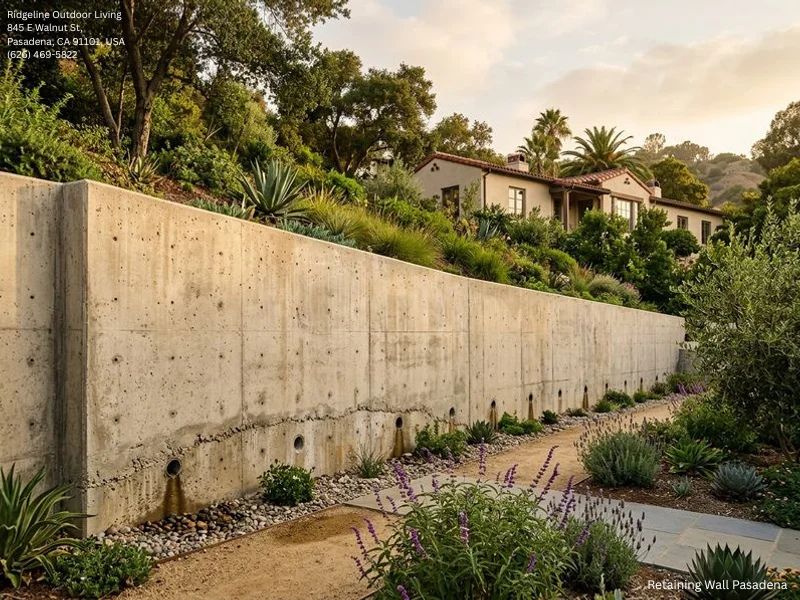
Hillside properties demand an honest conversation about structure. Retaining walls are not just aesthetic devices. They hold soil, slow water, and create flat, usable platforms. Retaining Walls for Hillside Properties: What Homeowners Need to Know starts with basic engineering. Beyond a certain height, you need plans, permits, and, on steeper sites, geotechnical input. Drainage behind the wall is not optional. A perforated pipe, gravel backfill, and filter fabric prevent hydrostatic pressure that can push a wall out in the first wet winter.
French drains explained simply: they are trenches with a perforated pipe and gravel that collect subsurface water and move it to a safe discharge point. We use them to intercept seasonal seep lines on slopes and to dry out perpetually wet strips along property lines. How to Solve Common Yard Drainage Problems often comes down to subtle grading, surface collection with area drains, and subsurface interception with French drains. 10 Signs Your Yard Needs Better Drainage include soil staining near foundations, mildew smells in low planters, and plant die off in winter when the rest of the yard is healthy.
Erosion control is cheaper at grading time than after the first storm. Bioswales, jute netting on new slopes, and quick establishing groundcovers like creeping sage or native yarrow lock soil in place. How Retaining Walls Prevent Erosion on Hillside Properties is a lesson every canyon homeowner learns eventually. Tiered walls with planting between disperse energy and handle water with grace.
Lighting that looks good and sips power
A drought tolerant garden needs the right touch at night. LED fixtures reduce energy draw and maintenance. Warm color temperatures match the soft textures of Mediterranean foliage. We keep beam spreads tight to avoid light trespass and use downlighting from pergolas and trees where possible. 10 Outdoor Lighting Mistakes That Reduce Curb Appeal usually start with overlighting and glare. 10 Outdoor Lighting Ideas for Los Angeles Landscapes lean toward layered low levels, lit steps, and subtle highlights on form plants or stone.
Phasing and budgeting without surprises
Most homeowners tackle drought tolerant conversions in phases. That is often smart. Start with grading, drainage, and hardscape. These moves set the bones and are hardest to retrofit. Planting and irrigation can follow promptly, or you can hold a portion for the next season to spread cost.
Ballpark figures help set expectations. Demolition and site prep can run from the high single digits to the mid teens per square foot on typical projects, more on hillside access. Permeable paver patios commonly sit in the mid thirties to the mid sixties per square foot as mentioned. Planting and drip irrigation together vary widely, from the low teens up to the thirties per square foot depending on plant sizes, spacing, and controller upgrades. A compact, well detailed, water wise backyard often lands between the tens and low hundreds per square foot when you average all components.
10 Hardscaping Features That Increase Property Value in our market include usable patios, seat walls, shade structures, and low voltage lighting. 12 Outdoor Living Features That Add the Most Value frequently overlap with features you will use weekly, such as a dining terrace near the kitchen, a small fire feature, and layered planting that feels cool even in August.
Maintenance that respects the design
Drought tolerant does not mean no maintenance. It means seasonal, targeted care.
In spring, check drip emitters for clogs, refresh mulch where it has thinned, and prune back winter die back on salvias and grasses to push clean growth. Early summer is for light shaping, not hard pruning. Deep water trees monthly in summer with a slow bubbler or a long drip cycle, especially during heat spikes. In fall, adjust irrigation down as nights cool. Winter is inspection time. Clear debris from drains before storms and top dress thin planting beds with compost if the soil texture needs help.
10 Backyard Renovation Mistakes to Avoid include over irrigating in the first year because you panic at a bit of leaf curl, mowing meadow grasses too short because you expect a golf course, and skipping the first winter’s drain cleaning because the last three storms missed your zip code.
Two case notes from the field
In Highland Park, a 1,200 square foot front yard sat as sparse fescue with two dying privets and a cracked walkway. We cut and capped the old spray system, rough graded to a subtle swale that pulled water from the sidewalk toward a central planting bed, and installed a 4 inch gravel trench with a discreet curb cut for overflow. A permeable paver path curved to the porch. Planting was simple and layered, with ceanothus, lomandra, and a multi trunk arbutus for light shade. The homeowner’s water bill dropped by roughly 40 percent compared with the previous summer, and neighbors now stop to ask which salvia blooms through July.
On a Sherman Oaks hillside, the problem was speed. Stormwater raced down a decomposed granite driveway and carved rills into the lower lawn. We replaced the lawn with a terrace of two low retaining walls and planting bands, added a trench drain at the garage threshold, and rebuilt the drive in permeable pavers over an engineered base. French drains on the uphill property line intercepted seepage from the neighbor’s slope. The first real storm filled the base under the pavers and then bled it into the planting over 48 hours. No rills, no puddles, and the new rosemary hedge tripled in size within a year on modest irrigation.
Permits, rebates, and coordination
The City of Los Angeles and many surrounding jurisdictions require permits for walls over a certain height, gas lines to fire features or outdoor kitchens, and electrical work for lighting and outlets. Plan review time varies. On average, add a few weeks to a couple months depending on complexity. Do not skip utility marking. DigAlert is free and saves emergencies.
Water agencies frequently offer rebates for Turf Replacement, Weather Based Irrigation Controllers, and High Efficiency Nozzles. Programs change. Turf replacement incentives have, at times, paid between 3 and 5 dollars per square foot. Controllers may see flat rebates per device. If you are considering artificial turf, check HOA rules and city guidelines. Some cities regulate its use in front yards.
How everything fits together
A drought tolerant landscape is not a single choice. It is a series of coordinated decisions that favor comfort, water efficiency, and longevity. Install a best landscapers in Pasadena pergola or a covered dining area and the patio stays cool. Lay permeable pavers and winter water charges your subgrade for free. Choose a palette that thrives on low inputs and your irrigation runs short and deep, not daily and shallow. Address drainage and walls correctly and you get stability and planting pockets that hold onto moisture. Layer lighting sensibly and you use the space in every season without glare.
For homeowners asking How Ridgeline Outdoor Living Creates Functional Outdoor Living Spaces, the answer is always specific. On one property it may be a compact outdoor kitchen with a linear fire feature, a small lawn under filtered shade, and a path that manages stormwater artfully. On another, it might be a series of terraces with a dark sky lighting plan and a plant palette that knits native structure with Mediterranean flourish. Either way, it starts with reading the site and ends with a place that feels generous to live in and modest to maintain.
A short roadmap if you are ready to begin
- Verify utilities, note constraints, and photograph sun and shade patterns for a week. Decide on hardscape footprints first, then drainage, then planting and irrigation. Choose a layered plant palette and group by water needs, with space to mature. Specify drip and a smart controller, and claim rebates before you break ground. Mulch deep, water slow, and commit to a light seasonal maintenance rhythm.
Why Drought-Tolerant Landscaping Is a Smart Investment is not just about lower water bills. It is resilience. When the next heat dome sits over the basin, your yard stays usable and your plants do not flinch. When the first inch of a Pineapple Express hits your block, your grade, drains, and permeable surfaces go quietly about their work. When you step outside at dusk, the lights are tuned, the air under the pergola is soft, and the garden looks like it belongs here. That is the goal.
If you need help translating these principles to your property, start with a professional site walk. 10 Questions to Ask Before Hiring a Landscape Contractor include licensure, drainage strategy, and how they phase work around rebates and inspections. A thoughtful design-build approach ties every piece together so the result feels inevitable, not assembled. That is where the real water savings and everyday pleasure live.